
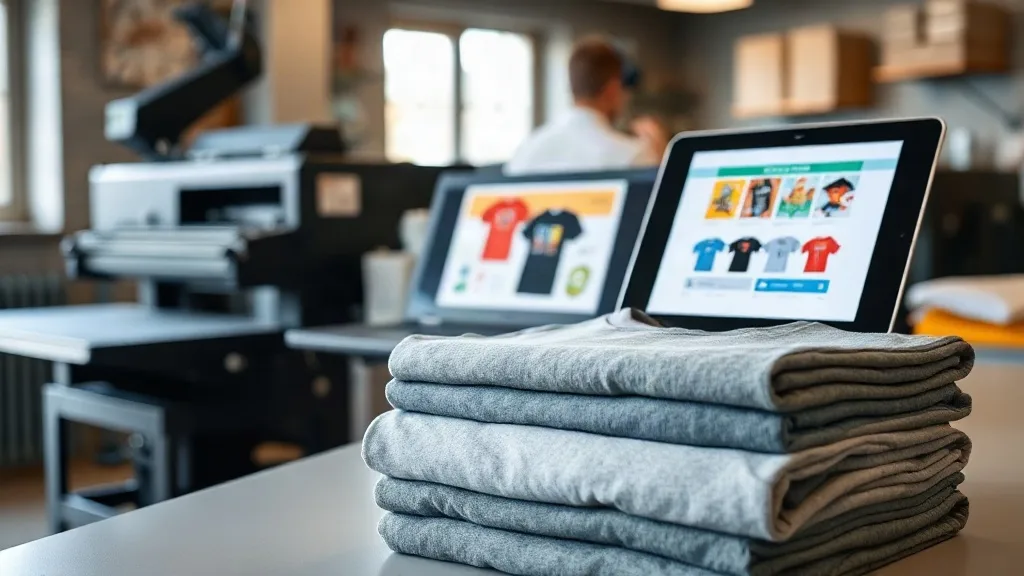
In the competitive world of custom apparel, print shops are always on the lookout for blanks that offer a winning combination of quality, comfort, and cost-effectiveness. shaka wear has emerged as a go-to choice for many DTF printers, and for good reason. These blanks are not just another option; they are a strategic tool for building a profitable and reputable printing business. This guide dives deep into how you can leverage Shaka Wear blanks to streamline your operations, reduce waste, and impress your clients with garments that feel as good as they look. Whether you are a seasoned pro or just starting out, understanding the nuances of these blanks can give you a significant edge.
Why Shaka Wear Blanks Are a Smart Choice for DTF Printing
DTF printing has revolutionized the way we decorate apparel, allowing for vibrant, full-color designs on a wide range of fabrics. However, not all blanks are created equal. The success of a DTF print depends heavily on the blank's fabric composition, weave, and finish. Shaka Wear blanks are engineered with the printer in mind. Their consistent fabric quality and smooth surface provide an ideal canvas for DTF transfers, ensuring that your designs adhere properly and look sharp wash after wash.
One of the standout features of Shaka Wear is their commitment to using high-quality cotton and cotton-poly blends. These materials are known for their ability to hold DTF prints without excessive dye migration or fading. In our shop, we've tested numerous brands, and Shaka Wear consistently delivers reliable results, even on darker colors where other blanks might struggle. This reliability translates to fewer rejects, less wasted material, and happier customers.
Key Factors to Consider When Choosing Shaka Wear Blanks
Before you place your next order, it's important to evaluate a few critical factors that can impact your DTF printing process and final product. Here's what to keep in mind:
Fabric Composition and DTF Compatibility
Shaka Wear offers a variety of fabric blends, each with its own characteristics. 100% cotton blanks are soft and breathable, making them a favorite for retail-style tees. However, cotton can sometimes absorb more ink, leading to a slightly muted look compared to poly blends. On the other hand, cotton-poly blends (like 60/40 or 50/50) provide a smoother surface that allows the DTF ink to sit on top, resulting in brighter, more vibrant colors. For designs with fine details or gradients, a higher poly content can be beneficial. We recommend testing a few blends to see which works best for your typical orders.
Weight and Hand Feel
The weight of the blank affects both the drape and the perceived quality. Shaka Wear blanks come in various weights, from lightweight 4.5 oz to heavier 6 oz options. Lighter weights are great for summer and fashion-forward styles, while heavier weights offer durability and a premium feel. Consider your target market: if you're printing for a streetwear brand, a heavier tee might be more appropriate. For promotional events, a lighter, cost-effective option could be the way to go. The hand feel is equally important; Shaka Wear is known for its soft, smooth finish that appeals to customers.
Color Range and Consistency
Shaka Wear provides an extensive palette of colors, from classic blacks and whites to trendy pastels and neons. This variety allows you to cater to diverse customer preferences without switching brands. More importantly, the color consistency across dye lots is impressive. Nothing is more frustrating than receiving a batch of blanks where the "navy" is a different shade each time. With Shaka Wear, you can trust that your reorders will match previous batches, ensuring brand consistency for your clients.
Sizing and Fit
Fit is a major selling point. Shaka Wear blanks are available in a range of sizes, from XS to 5XL, and offer various fits including classic, slim, and oversized. Understanding the fit is crucial for DTF printing because the print placement and size may need to be adjusted accordingly. For example, an oversized tee might require a larger print to maintain proportion, while a slim fit might need a more compact design. Always keep a size chart handy and communicate fit details to your customers.
Maximizing Efficiency with DTF Gangsheets
One of the biggest advantages of DTF printing is the ability to create gangsheets, which allow you to print multiple designs on a single sheet of film. This not only saves time but also reduces material waste. When using Shaka Wear blanks, you can further optimize your gangsheets by planning your print layouts carefully. For instance, if you're printing a batch of shirts in various sizes, you can nest smaller designs in the gaps between larger ones. The DTF Gangsheet Builder tool can be a game-changer here, helping you visualize and arrange your designs efficiently before printing.
Another tip: consider the color of the blanks when building your gangsheet. If you're printing on both light and dark garments, you might need to adjust your white ink layer settings. Grouping similar colors together on the same gangsheet can streamline your workflow and ensure consistent curing times. We've found that dedicating specific gangsheets to light or dark blanks reduces errors and speeds up production.
Common Pitfalls and How to Avoid Them
Even with high-quality blanks like Shaka Wear, there are pitfalls that can trip up DTF printers. Here are a few to watch out for:
- Improper pretreatment: While DTF doesn't require pretreatment like DTG, some fabrics may benefit from a light press to remove moisture. Always follow the blank manufacturer's recommendations.
- Incorrect pressing parameters: Temperature, pressure, and time are critical. Too much heat can cause scorching, while too little can result in poor adhesion. Invest in a heat press with accurate controls and calibrate it regularly.
- Ignoring fabric shrinkage: Natural fabrics like cotton can shrink after washing. If you're printing on 100% cotton Shaka Wear blanks, consider pre-shrinking or advising customers to expect minimal shrinkage.
- Overlooking color migration: On dark polyester blends, dye migration can occur. Using a low-bleed DTF film or adding a barrier layer can mitigate this issue.
By being aware of these challenges and taking proactive steps, you can maintain high quality and reduce waste.
Case Study: How One Shop Increased Margins with Shaka Wear
To illustrate the impact of choosing the right blanks, consider the experience of a mid-sized print shop in the Midwest. They specialized in custom team uniforms and were struggling with inconsistent print quality on various blank brands. After switching to Shaka Wear's 50/50 blend tees, they noticed a 20% reduction in misprints and a 15% increase in customer satisfaction. The consistent fabric quality allowed them to standardize their DTF settings, leading to faster turnaround times. They also leveraged gangsheets to print numbers and names for entire teams on a single sheet, cutting material costs by nearly 30%. Within six months, they reported a 25% increase in profit margins, directly attributed to the switch to Shaka Wear and optimized DTF workflows.
SSS: Common Questions About Shaka Wear and DTF Printing
What makes Shaka Wear blanks particularly suitable for DTF printing?
Shaka Wear blanks are made from high-quality cotton and cotton-poly blends with a smooth surface that promotes excellent ink adhesion. Their consistent fabric weight and colorfastness reduce common DTF issues like dye migration and fading, ensuring vibrant, durable prints.
How do I choose the right Shaka Wear style for my project?
Consider the intended use: for retail or fashion, go for softer, lighter fabrics like the 100% cotton tee; for promotional or team wear, a durable 50/50 blend is more cost-effective. Also, match the weight to the season and desired drape.
Can I use Shaka Wear blanks for both light and dark garments in the same DTF gangsheet?
Yes, but you may need to adjust your white ink layer settings. It's often more efficient to group light and dark blanks on separate gangsheets to avoid confusion and ensure optimal curing.
What are the best practices for pressing DTF transfers onto Shaka Wear blanks?
Follow the transfer manufacturer's recommendations, but generally, press at 300-325°F for 10-15 seconds with medium pressure. Use a Teflon sheet or parchment paper to protect the design. Always pre-press the garment to remove moisture.
How does Shaka Wear sizing compare to other brands?
Shaka Wear tends to run true to size, but it's always best to consult their size chart. Their oversized fits are popular for streetwear, so if you're printing large designs, consider upsizing the print accordingly.