
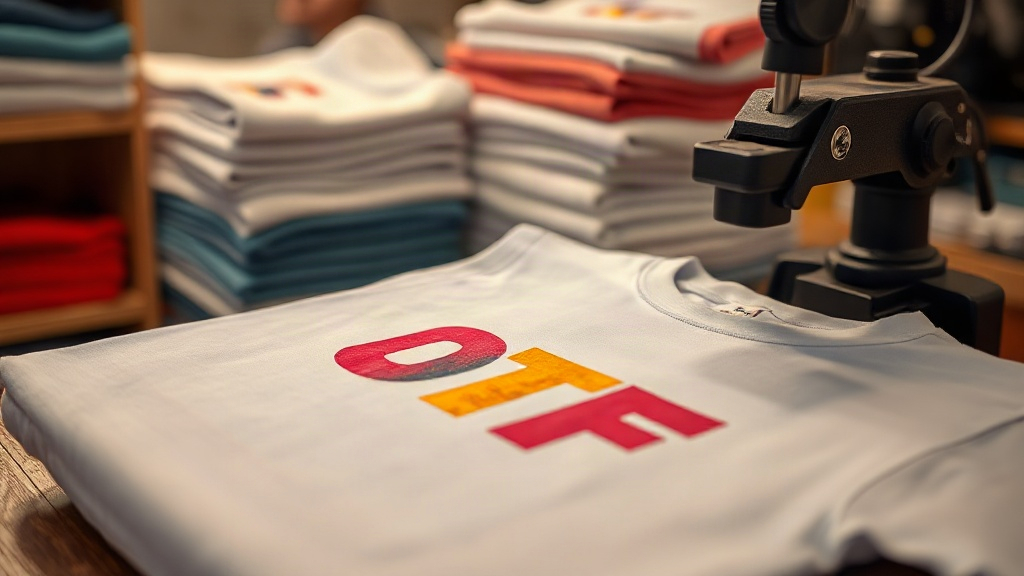
When you're pressing DTF transfers onto blanks, the difference between a sellable garment and a customer complaint often comes down to fabric choice. I learned this the hard way after ruining a batch of budget tees with a heat press that was running too hot. Since then, I've tested dozens of blank brands, and two names keep coming up in my shop: Shaka Wear and Smart Blanks. Both are popular for good reason, but they behave differently under the press. This guide shares what I've learned so you can avoid the mistakes I made and get consistent, wash-durable results.
Why DTF Transfers Are a Game-Changer for Blank Decorators
DTF (direct-to-film) transfers have exploded in popularity because they let you print full-color, photographic designs without the setup costs of screen printing. Unlike vinyl, DTF transfers can be applied to a wide range of fabrics, including cotton, polyester, and blends. That flexibility makes them ideal for decorating the blanks that dominate the wholesale market. But not all blanks are created equal. The weave, fiber content, and finish of a garment affect how well the transfer adheres and how long it lasts.
If you're new to DTF, the process is straightforward: print your design onto a special film with a DTF printer, powder it with hot-melt adhesive, cure it, then press it onto the garment with a heat press. The adhesive bonds the ink to the fabric. The quality of that bond depends on the fabric's ability to absorb the adhesive and withstand heat. That's where Shaka Wear and Smart Blanks come into play.
Shaka Wear: Heavyweight Champion for Streetwear
Shaka Wear is known for its heavyweight cotton tees, often 6.5 oz or heavier. These shirts have a tight knit and a substantial hand feel. When I press DTF transfers onto Shaka Wear, I notice the fabric doesn't stretch as much under the press, which helps prevent design distortion. The heavy cotton also provides a smooth surface that the adhesive can grip well.
Best Practices for Shaka Wear
- Pre-press the garment: Shaka Wear tees often arrive with moisture from manufacturing. Pre-pressing for 5-7 seconds removes wrinkles and moisture, ensuring a flat surface.
- Use medium pressure: Because the fabric is dense, you need enough pressure to push the adhesive into the fibers. I set my press to medium-high pressure (around 4-5 on a 1-10 scale).
- Temperature and time: 320°F for 15 seconds works well for most DTF films. But always check your film supplier's recommendations.
- Peel cool: Shaka Wear's heavy cotton holds heat, so let the transfer cool completely before peeling. This prevents the design from stretching or cracking.
One thing to watch: Shaka Wear offers both 100% cotton and cotton/poly blends. The blends tend to have a slightly slicker surface, so you might need to increase pressure slightly. I always test a sample first.
Smart Blanks: Affordable and Consistent
Smart Blanks is a favorite for budget-conscious decorators. Their tees are lightweight and soft, often 4.3 oz or similar. The lower cost makes them great for large orders, but they require a gentler touch. The fabric is thinner, so too much heat or pressure can cause scorching or adhesive bleed-through.
Best Practices for Smart Blanks
- Lower temperature: I press Smart Blanks at 300-310°F to avoid scorching. The thinner fabric heats up faster, so you can also reduce time to 10-12 seconds.
- Light pressure: Use light to medium pressure. Too much pressure can push the adhesive through the fabric, causing a stiff, plastic-like feel.
- Cool peel or warm peel? Smart Blanks are typically 100% cotton, so a cool peel is safest. However, some DTF films are designed for warm peel. Test a small area first.
- Watch for shrinkage: Smart Blanks can shrink slightly after the first wash. Pre-shrink by washing and drying before pressing if precise sizing is critical.
Despite the lower price, Smart Blanks hold up well with DTF transfers if you dial in your settings. I've had shirts last through dozens of washes without fading or cracking when done right.
Comparing Shaka Wear and Smart Blanks for DTF Transfers
Both brands have their place. Here's a quick comparison based on my experience:
- Fabric weight: Shaka Wear is heavier (6.5 oz+), Smart Blanks is lighter (4.3 oz).
- Durability: Shaka Wear's heavyweight cotton tends to outlast lighter fabrics, especially for high-wear items.
- Price: Smart Blanks is more budget-friendly, ideal for giveaways or samples.
- Ease of pressing: Smart Blanks requires more finesse due to thinner fabric; Shaka Wear is more forgiving.
- Best for: Shaka Wear for premium retail; Smart Blanks for cost-effective bulk orders.
If you're just starting with DTF transfers, I recommend practicing on Smart Blanks because they're cheaper to replace if you make a mistake. Once you're confident, move to Shaka Wear for higher-end projects.
Step-by-Step DTF Transfer Application on These Blanks
- Preheat your press: Set the temperature according to the fabric (320°F for Shaka Wear, 300-310°F for Smart Blanks).
- Pre-press the garment: 5-7 seconds to remove moisture and wrinkles.
- Position the transfer: Place the DTF transfer with the adhesive side down on the garment.
- Press: Apply medium pressure for Shaka Wear, light pressure for Smart Blanks. Press for 10-15 seconds.
- Peel: Cool peel for both, unless your film specifies otherwise.
- Post-press (optional): For extra durability, cover with a Teflon sheet and press again for 5 seconds. This helps the adhesive fully bond.
Always follow the DTF film manufacturer's instructions, as formulations vary.
Common Pitfalls and How to Avoid Them
Even with quality blanks, things can go wrong. Here are the most common issues I've encountered and how to fix them:
- Design cracking after wash: Usually caused by under-curing or insufficient pressure. Increase pressure slightly or extend press time by 2-3 seconds.
- Adhesive bleeding through the fabric: Too much pressure or temperature too high. Reduce both and test again.
- Transfer peeling off: Not enough pressure or the garment wasn't pre-pressed. Always pre-press and use consistent pressure.
- Scorching on light fabrics: Lower temperature and use a Teflon sheet or parchment paper between the press and the transfer.
I keep a notebook with settings for each blank brand and style. It saves time and reduces waste.
Frequently Asked Questions
Can I use DTF transfers on 50/50 blends like some Shaka Wear styles?
Yes, DTF transfers work on cotton/poly blends. However, polyester content can cause the ink to appear slightly duller. You may need to adjust pressure and temperature slightly. Always test on a scrap piece first.
How do I prevent DTF transfers from cracking on Smart Blanks?
Cracking usually means the adhesive didn't fully bond. Ensure you're using enough pressure (but not too much) and that the transfer is completely cool before peeling. Also, check that your film isn't expired.
What's the best way to wash garments with DTF transfers?
Turn the garment inside out and wash in cold water on a gentle cycle. Avoid fabric softeners and bleach. Tumble dry low or hang dry. This will maximize the life of your transfer.
Do I need a special heat press for Shaka Wear heavyweight tees?
No, but you need a press that can maintain consistent temperature and pressure. A clamshell or swing-away press both work. Just ensure the platens are large enough to cover the design area.
How long should I press DTF transfers on Smart Blanks?
Start with 10-12 seconds at 300-310°F. If the transfer doesn't adhere well, increase time in 2-second increments. Over-pressing can cause scorching, so monitor closely.
Mastering DTF transfers on Shaka Wear and Smart Blanks takes a bit of experimentation, but the payoff is worth it. You'll produce vibrant, durable apparel that customers love. Remember to pre-press, use the right settings, and always test before a big run. Happy pressing!