
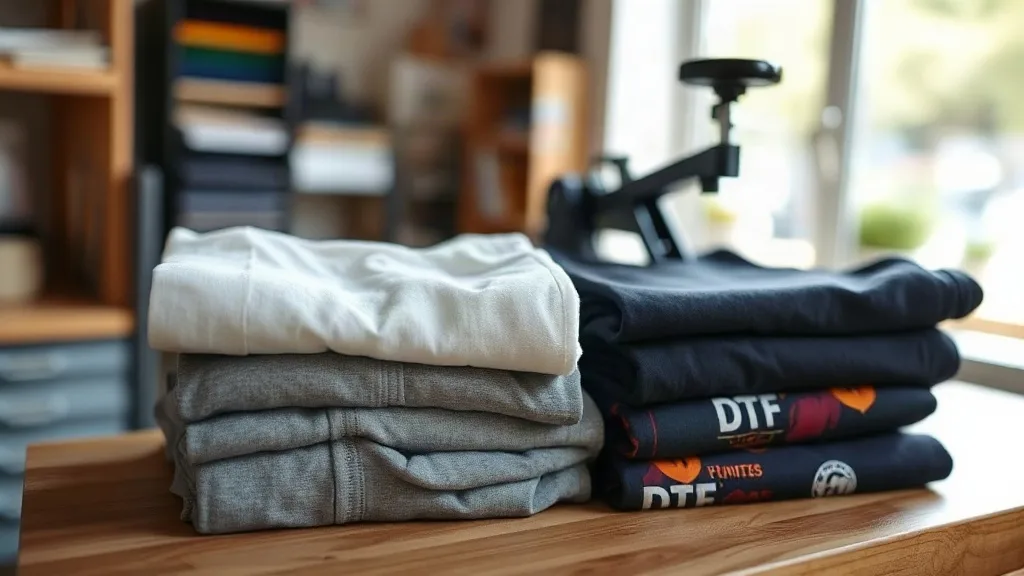
You have dialed in your printer, your powder application is consistent, and your press settings are locked. Yet some prints come back from customers peeling at the edges while others survive dozens of washes without a hint of wear. The variable you are not controlling is the fabric itself. DTF transfers are remarkably versatile, but they are not fabric-agnostic. The fiber content, weave, finish, and even the dye used in a garment all influence how well the adhesive bonds and how long the print survives. This guide walks through the fabric side of the equation so you can stop blaming your press for problems that start on the hanger.
Why Fabric Choice Matters More Than Most Printers Think
DTF printing works by transferring a printed film coated with a thermoplastic adhesive powder onto a garment under heat and pressure. The powder melts, flows into the fabric surface, and cools into a mechanical bond. That bond depends entirely on what it is gripping. A tight, smooth cotton weave gives the adhesive plenty of surface area to lock onto. A loose knit, a heavy silicone finish, or a fabric loaded with fabric softener gives it almost nothing.
Most failures labeled as press problems are actually fabric problems. The print lifts because the adhesive never penetrated the weave. The edges crack because the fabric flexes more than the ink layer can stretch. The color looks dull because the garment's dye bled into the white ink base during pressing. Understanding these interactions turns guesswork into a repeatable process.
How Different Fabrics Respond to DTF
100% Cotton
Cotton is the most forgiving substrate for dtf printing. It accepts adhesive readily, handles high heat without scorching (within reason), and flexes in a way that complements the stretch of the ink layer. Ringspun cotton tees and heavyweight cotton fleece are the safest bets for beginners. The main caveat is pre-shrunk versus untreated cotton: untreated cotton can shrink after the first wash, and that shrinkage puts stress on the print edges. Always pre-wash or buy pre-shrunk blanks if you want the print to stay flat.
Cotton-Polyester Blends
Blends are where most shops live, and they behave predictably as long as the cotton content is at least 50 percent. Higher polyester content means a smoother, slightly slicker surface, which can reduce adhesion if the powder application is light. Bump your powder coverage slightly and extend press time by a few seconds. Blends also tend to have better stretch recovery, which helps prints survive repeated wearing without cracking.
100% Polyester and Performance Fabrics
Polyester is trickier. Many performance fabrics are treated with moisture-wicking or anti-microbial finishes that act as release agents. The adhesive cannot grip what it cannot touch. If you must print on polyester, look for brands that explicitly state the garment is DTF-friendly, or test a scrap before committing a full order. Lower your press temperature by about 10 to 15 degrees Fahrenheit and press a few seconds longer to compensate for the fabric's lower heat tolerance.
Nylon, Canvas, and Specialty Fabrics
Nylon stretches and rebounds aggressively, which can shear the adhesive bond over time. Canvas and heavy twill accept DTF well but need longer press times because the weave is thicker. Denim is generally reliable, though dark indigo dyes can migrate into white ink if you over-press. The rule across all specialty fabrics is the same: test, document, and repeat.
Fabric Finishes That Quietly Sabotage Prints
Fiber content is only half the story. What the manufacturer applied to the fabric matters just as much. Silicone softeners, stain repellents, and anti-wrinkle treatments all create a barrier between the adhesive and the fiber. You cannot see them, but you can feel them: a fabric that feels unusually slick or slippery is a warning sign.
Fabric softener is the most common culprit in home-laundry settings. A shirt washed with softener before printing will resist adhesion even if everything else is perfect. If you source blanks from a supplier who stores them in a humid warehouse, moisture can also interfere with the bond. Store blanks in a dry area and press a test piece from every new batch.
Matching Fabric Weight to Print Design
Heavy, detailed designs with large solid areas of ink need a fabric that can support them. A thin, lightweight tri-blend will drape and stretch under a heavy print, and the ink layer will crack along fold lines. On the other hand, a thick hoodie can handle dense prints without issue. As a practical rule, keep large chest prints on midweight or heavier fabrics, and reserve lightweight garments for smaller, simpler designs with less ink coverage.
Stretch is the other factor. Four-way stretch fabrics used in activewear demand a print that can move with them. DTF ink is more flexible than screen print or vinyl, but it is not infinitely elastic. If you are printing on compression wear, keep designs small and positioned where the fabric stretches least.
Testing Fabrics Before You Commit
Every new blank should go through a simple three-step test before it enters production. First, press a small test print and check adhesion after cooling. Second, stretch the printed area firmly in multiple directions and look for lifting at the edges. Third, wash the sample according to the care instructions you will give customers, then inspect for peeling, cracking, or color shift. Document the results by brand, style number, and fabric content. Over time, this log becomes your most valuable production tool.
If you are sourcing blanks locally and want to compare options, searching for dtf transfers near me can connect you with suppliers who already know which garments work with the process. Local knowledge saves weeks of trial and error.
Care Instructions That Protect the Print
The fabric choice sets the ceiling on durability, but customer care determines whether you reach it. Include a simple care card with every order: wash inside out in cold water, avoid fabric softener, tumble dry low or hang dry, and do not iron directly on the print. These four instructions prevent the majority of preventable failures. Customers who follow them will see prints last for the life of the garment; those who do not will blame the print, not the laundry routine.
Frequently Asked Questions
Can DTF transfers be applied to 100% polyester?
Yes, but with adjustments. Lower the press temperature slightly, extend press time, and test a scrap first because many polyester fabrics carry finishes that resist adhesion. Look for DTF-friendly labels or run a wash test before production.
Why do prints peel on some shirts but not others from the same order?
Fabric differences within an order are common when blanks come from different dye lots or suppliers. Check fiber content, finish, and moisture exposure. A print that peels on one shirt but not another usually points to a fabric variable, not a press inconsistency.
Does fabric color affect DTF print quality?
Dark fabrics require a thicker white ink base, which can feel slightly heavier. Very dark dyes, especially indigo and deep reds, can migrate into the white layer if you over-press. Use the lowest temperature that achieves a secure bond and avoid extended dwell times.
How do I know if a fabric has a finish that will interfere with DTF?
Feel the surface. A slick, slippery hand often indicates silicone or a stain-repellent treatment. If you are unsure, press a small test patch, let it cool completely, and try to lift an edge with your fingernail. If it releases easily, the fabric needs a different approach or a different blank.
What is the best fabric for beginners to start with?
100% ringspun cotton in a midweight tee is the most forgiving starting point. It accepts adhesive well, tolerates heat, and behaves predictably through washing. Master cotton first, then expand to blends and performance fabrics as you build confidence.