
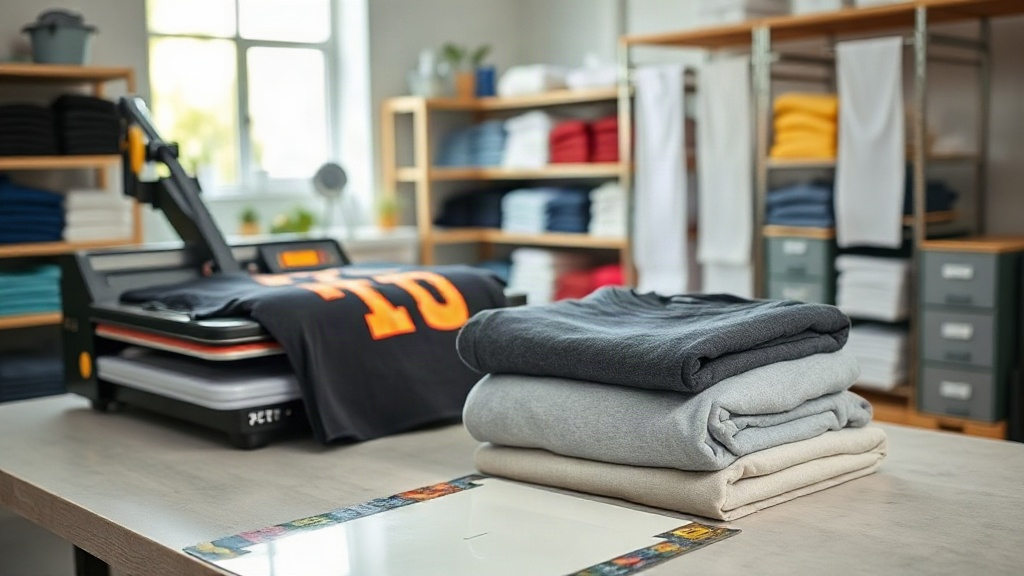
When you discover the vibrant, detailed results of DTF transfers, you might want to try them on every garment you own. But not all blanks are created equal. Two popular choices among crafters and small business owners are Shaka Wear and Smart Blanks. Each brand offers unique fabrics and fits that affect how transfers adhere and feel. In this guide, I'll share my hands-on experience with both brands, walk you through the application process, and help you avoid common pitfalls. Whether you're printing a single custom tee or launching a small clothing line, you'll learn how to get professional, long-lasting results with DTF transfers on Shaka Wear and Smart Blanks.
Why DTF Transfers Are a Game-Changer for Custom Apparel
DTF (Direct to Film) transfers have exploded in popularity because they work on almost any fabric, from cotton to polyester to blends. Unlike vinyl or screen printing, DTF doesn't require weeding, and it can reproduce full-color images with fine details. The process involves printing a design onto a special film, coating it with adhesive powder, and then heat-pressing it onto the garment. The result is a soft, stretchable print that holds up wash after wash.
What makes DTF especially appealing for Shaka Wear and Smart Blanks is their consistent quality. Both brands are known for durable, well-constructed blanks that take heat and pressure well. However, each has its own quirks. Let's dive into what you need to know.
Understanding Shaka Wear Blanks
Shaka Wear is a Los Angeles-based brand that has become a staple in streetwear and urban fashion. Their tees are known for a heavyweight, boxy fit and a soft, brushed feel. Most Shaka Wear garments are 100% cotton, though some styles include polyester blends. The fabric is typically 6.0 to 7.0 oz, making it thicker than average. This weight provides a great canvas for DTF transfers because it can handle the heat press without scorching.
Fabric Characteristics and DTF Compatibility
Shaka Wear's heavyweight cotton is excellent for DTF. The tight weave prevents the adhesive from bleeding through, and the smooth surface allows for crisp detail. However, the brushed interior of some styles can create a slight texture on the print if you press too hard. I recommend using a medium pressure and a temperature of 325°F for 15 seconds. Also, because Shaka Wear tees are often pre-shrunk, you don't have to worry about excessive shrinkage after washing.
One thing to note: Shaka Wear offers both tubular and side-seamed constructions. Side-seamed tees tend to have a more modern fit and are less prone to twisting. For DTF, either works, but side-seamed garments provide a flatter surface for pressing.
Smart Blanks: A Versatile Option
Smart Blanks is another favorite among printers, thanks to its wide range of styles and affordable pricing. The brand focuses on soft, ring-spun cotton and cotton-poly blends. Their tees are generally lighter weight (4.2 to 5.5 oz) and have a more retail fit. Smart Blanks are popular for promotional products, team uniforms, and fashion apparel because they offer a smooth printing surface and come in many colors.
How Smart Blanks Perform with DTF
Smart Blanks' ring-spun cotton is incredibly smooth, which makes it ideal for DTF transfers. The fine fibers allow the adhesive to bond evenly, resulting in a soft-hand feel. For blends, such as 50/50 or tri-blends, DTF still works well, but you may need to adjust your press settings. Polyester content can cause the print to look slightly duller if the temperature is too high, so I suggest lowering the temp to 300°F for 12 seconds on blends. Always test a small area first.
Another advantage of Smart Blanks is their consistency. The fabric weight and weave are uniform across batches, so you can replicate your results easily. This is crucial if you're fulfilling large orders.
Step-by-Step: Applying DTF Transfers to Shaka Wear and Smart Blanks
No matter which blank you choose, the application process is similar. Here's a step-by-step guide based on my experience.
- Pre-press the garment: This removes moisture and wrinkles. Press for 5 seconds at 325°F. For Shaka Wear's heavy cotton, you might need 7 seconds to get it completely flat.
- Position the transfer: Place the DTF film with the printed side facing up. If your design has a white underbase, ensure it's aligned correctly. Use heat tape if needed.
- Press: Set your heat press to 325°F (for 100% cotton) or 300°F (for blends). Use medium pressure. Press for 15 seconds for cotton, 12 seconds for blends. For Shaka Wear, I often press for 18 seconds to ensure the adhesive penetrates the heavier fabric.
- Peel: Wait 10-15 seconds for the transfer to cool slightly, then peel the film in a smooth, continuous motion. If you peel too hot, the design may stretch; too cold, and it might crack. I prefer warm peel for both brands.
- Post-press: Cover the design with parchment paper or a Teflon sheet and press again for 5-10 seconds. This improves wash durability.
Remember, every heat press is different. Calibrate yours with a temperature gun for best results.
Comparing Shaka Wear and Smart Blanks for DTF
To help you decide, here's a quick comparison based on my testing:
- Fabric weight: Shaka Wear is heavier (6-7 oz), Smart Blanks is lighter (4.2-5.5 oz). Heavier fabrics may require slightly longer press times.
- Fabric content: Shaka Wear is mostly 100% cotton; Smart Blanks offers more blends. Blends need lower temperatures.
- Hand feel: Smart Blanks' ring-spun cotton gives a softer print feel; Shaka Wear's heavier cotton can make the print feel slightly thicker.
- Durability: Both hold up well, but Shaka Wear's tight weave may offer better longevity for high-wear items.
- Price: Smart Blanks is generally more budget-friendly, while Shaka Wear is a premium option.
Ultimately, the choice depends on your project. For a streetwear look with a boxy fit, go with Shaka Wear. For a soft, retail-ready tee at a lower cost, Smart Blanks is a solid pick.
Common Issues and How to Fix Them
Even with the best blanks, problems can arise. Here are solutions to common DTF issues on these brands.
Transfer Not Adhering
If the transfer peels off after washing, it's usually due to insufficient pressure or temperature. Increase pressure and ensure your press is at the correct temp. For Shaka Wear, try 330°F for 20 seconds. For Smart Blanks blends, 300°F for 15 seconds.
Design Cracking
Cracking often happens if you stretch the garment before the transfer cools. Let it cool completely before stretching. Also, over-stretching during peeling can cause cracks. Peel slowly and steadily.
Dull Colors
On polyester blends like some Smart Blanks styles, colors may appear muted if the temperature is too high. Lower the temp and reduce press time. You can also use a lower-temperature DTF film designed for poly.
Pro Tips for Perfect Results
After countless presses, I've picked up a few tricks that make a big difference.
- Always pre-wash your garments if they have a manufacturer's finish. This removes sizing that can interfere with adhesion. Shaka Wear and Smart Blanks both recommend washing before decorating.
- Use a heat press with accurate temperature control. Cheap irons are inconsistent.
- Store DTF transfers in a cool, dry place. Humidity can affect the adhesive powder.
- For dark garments, ensure your DTF film has a white underbase. Both Shaka Wear and Smart Blanks offer dark colors, so this is crucial.
- Test on a scrap piece first. Every fabric batch can vary slightly.
Frequently Asked Questions
Can I use DTF transfers on Shaka Wear's 50/50 blends?
Yes, but you'll need to adjust your press settings. Lower the temperature to 300°F and press for 12-15 seconds. The polyester content can cause the print to look slightly less vibrant if overheated, so always test first.
Do Smart Blanks require any special preparation before DTF application?
Smart Blanks garments often come with a soft finish, but pre-pressing for 5 seconds is still recommended to remove moisture. If you notice any sizing, a quick wash before pressing can help, but it's not always necessary.
How do I prevent the DTF transfer from peeling off Shaka Wear after washing?
Peeling usually means the adhesive didn't fully bond. Increase your press time to 20 seconds and ensure you're using firm pressure. Also, post-press the design for 10 seconds after peeling. Wait 24 hours before washing.
What's the best peel method for DTF on these blanks?
I recommend a warm peel: wait about 10 seconds after pressing, then peel the film slowly. This works well for both Shaka Wear and Smart Blanks. If you peel too hot, the design may stretch; too cold, and it might crack.
Can I layer DTF transfers on Shaka Wear or Smart Blanks?
Yes, you can layer DTF transfers, but it's tricky. Press the first layer for half the time, peel, then add the second layer and press for the full time. Use a Teflon sheet to protect the design. Layering works best on 100% cotton like Shaka Wear.
Final Thoughts
Mastering DTF transfers on Shaka Wear and Smart Blanks opens up a world of possibilities for custom apparel. Both brands offer excellent canvases, but they require slightly different approaches. Shaka Wear's heavyweight cotton demands a bit more heat and pressure, while Smart Blanks' lighter fabrics need a gentler touch. By following the steps and tips in this guide, you'll achieve vibrant, durable prints that impress your customers. Remember to test, adjust, and have fun with the process. Happy pressing!