
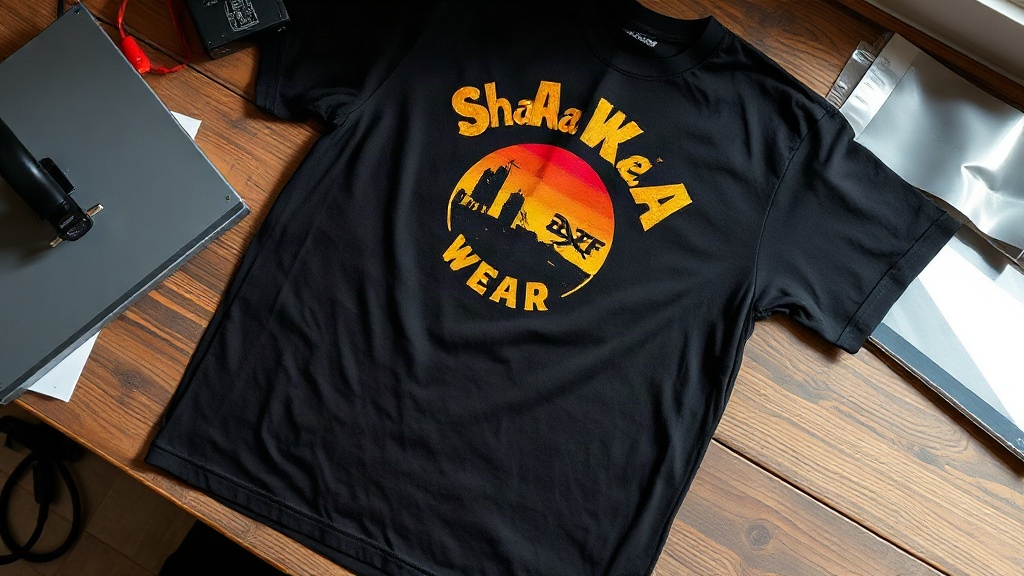
When it comes to DTF printing, the quality of your blank apparel can make or break your final product. Shaka Wear has emerged as a favorite among printers and designers for its consistent quality, comfortable fabrics, and excellent printability. In this guide, we'll dive deep into what makes Shaka Wear a standout choice for DTF printing, covering everything from fabric characteristics to practical printing tips. Whether you're a seasoned professional or just starting out, understanding how to work with Shaka Wear blanks will help you achieve vibrant, durable prints that your customers will love.
Why Shaka Wear Stands Out for DTF Printing
Shaka Wear has built a reputation for producing high-quality blanks that cater to the streetwear and custom apparel markets. Their garments are known for their soft hand feel, consistent sizing, and durability. But what makes them particularly well-suited for DTF printing? Let's break it down.
First, the fabric composition. Most Shaka Wear tees and hoodies are made from 100% cotton or cotton-poly blends. Cotton provides a smooth surface that allows DTF transfers to adhere evenly, while polyester blends can enhance color vibrancy and durability. The key is that Shaka Wear maintains tight quality control, so you get consistent fabric across batches. This consistency means your DTF prints will look the same every time, reducing the need for adjustments.
Second, the weight and weave. Shaka Wear garments often feature a heavier weight (e.g., 5.5 oz or more) and a tight knit. This heavier fabric can withstand the heat and pressure of a heat press without scorching or excessive shrinkage. The tight weave also prevents the DTF adhesive from seeping through, ensuring a clean transfer.
Third, the color range. Shaka Wear offers a wide array of colors, from classic blacks and whites to vibrant hues. This variety allows you to match your DTF prints to the garment seamlessly, whether you're going for a bold contrast or a subtle tone-on-tone look.
Understanding DTF Printing on Shaka Wear Blanks
DTF printing involves transferring a design printed on a special film onto a garment using a heat press. The process requires precise temperature, pressure, and time to ensure the print bonds properly with the fabric. Shaka Wear blanks are generally very receptive to DTF transfers, but there are nuances to consider.
Fabric Types and Their Impact on DTF Prints
Shaka Wear offers several fabric types, each with its own characteristics:
- 100% Cotton: Soft, breathable, and takes DTF prints well. However, cotton can shrink slightly after washing, so pre-shrinking or careful washing instructions are advised. DTF prints on cotton tend to have a matte finish.
- Cotton/Poly Blends: These blends combine the comfort of cotton with the durability of polyester. They often yield brighter colors and a slightly smoother print surface. DTF prints on blends may have a slight sheen.
- Tri-Blend: A mix of cotton, polyester, and rayon, tri-blends are incredibly soft and drape well. They can be trickier to print on because of the rayon content, but with proper settings, DTF transfers adhere nicely.
When choosing a Shaka Wear blank for DTF printing, consider the end use. For a vintage, soft look, tri-blends are great. For maximum durability and color pop, a cotton-poly blend might be best.
Pre-Treatment and Preparation
Unlike DTG printing, DTF printing does not require pre-treatment of the garment. However, proper preparation is still key. Always pre-press the garment for a few seconds to remove moisture and wrinkles. This step ensures a smooth surface for the transfer. For Shaka Wear blanks, a quick pre-press at 300°F for 3-5 seconds is usually sufficient.
Also, check for any loose fibers or lint. A lint roller can help remove debris that might interfere with adhesion.
Heat Press Settings for Shaka Wear
Heat press settings can vary depending on the DTF film manufacturer, but here are general guidelines for Shaka Wear garments:
- Temperature: 300°F to 325°F (150°C to 160°C). Start at the lower end and adjust based on results.
- Pressure: Medium to high pressure. You want the transfer to make full contact with the fabric.
- Time: 10-15 seconds for the initial press. Then, peel the film (hot or cold peel depending on the film type) and post-press for another 5-10 seconds with a cover sheet for added durability.
Always test on a scrap piece of Shaka Wear fabric if possible, as different colors and fabric blends may require slight adjustments.
Peeling and Post-Pressing
Peeling the DTF film is a critical step. If you peel too early, the print may stretch or tear. If you peel too late, the adhesive may set and pull off the design. Most DTF films are cold peel, meaning you wait until the transfer cools completely before peeling. However, some are hot peel. Follow the film manufacturer's instructions.
After peeling, post-press the print for 5-10 seconds with a Teflon sheet or parchment paper. This step ensures the print is fully bonded and improves wash durability. For Shaka Wear blanks, post-pressing at the same temperature with medium pressure works well.
Tips for Vibrant and Durable DTF Prints on Shaka Wear
Achieving professional-looking DTF prints on Shaka Wear requires attention to detail. Here are some expert tips:
- Use high-quality DTF film and powder: The quality of your consumables directly affects the final print. Cheap film can lead to dull colors and poor adhesion.
- Maintain consistent pressure: Uneven pressure can cause patchy transfers. Ensure your heat press is calibrated and apply even pressure across the platen.
- Control moisture: Humidity can affect DTF printing. Store your film and powder in a dry environment, and pre-press garments to remove moisture.
- Choose the right fabric color: DTF prints are opaque, but printing on dark colors may require a white underbase. Shaka Wear offers a range of colors; consider how your design will interact with the background.
- Wash inside out: To prolong the life of your DTF prints, advise customers to wash garments inside out in cold water and tumble dry low. Avoid ironing directly on the print.
By following these tips, you can ensure that your DTF prints on Shaka Wear blanks look great and last long.
Common Challenges and How to Overcome Them
Even with high-quality blanks like Shaka Wear, you might encounter issues. Here are some common challenges and solutions:
Print Cracking or Peeling
If your DTF print cracks or peels after washing, it's often due to insufficient pressure or time during the transfer. Increase pressure and ensure you post-press adequately. Also, check that the garment is completely dry before printing.
Dull Colors
Dull colors can result from low printing temperature or poor film quality. Try increasing the temperature slightly (within the recommended range) and use a higher-quality film. Also, ensure your printer's ink is fresh and the print head is clean.
Adhesive Residue
Sometimes, adhesive residue may be left on the garment after peeling. This can happen if the film is peeled too hot or if the pressure is too low. Try cold peeling and increase pressure. If residue persists, it can often be removed with a lint roller or by gently heating the area and dabbing with a clean cloth.
Why Choose Shaka Wear for Your DTF Printing Business
If you're running a DTF printing business, the blanks you choose reflect your brand. Shaka Wear offers a combination of quality, style, and reliability that can elevate your offerings. Their garments are popular in streetwear and urban fashion, giving your prints a trendy edge. Moreover, Shaka Wear blanks are readily available through various distributors, making them easy to source.
Additionally, Shaka Wear is committed to ethical manufacturing and sustainable practices, which can be a selling point for eco-conscious customers. By using Shaka Wear, you align your business with a brand that values quality and responsibility.
Frequently Asked Questions
What is the best Shaka Wear fabric for DTF printing?
The best fabric depends on your desired outcome. For vibrant colors and durability, a cotton-poly blend is excellent. For a soft, vintage feel, tri-blend is ideal. 100% cotton is a versatile choice that works well for most designs.
Can I use DTF printing on Shaka Wear hoodies?
Absolutely. Shaka Wear hoodies, often made from cotton-poly fleece, are great for DTF printing. The key is to adjust your heat press settings for the thicker fabric. You may need slightly higher pressure and a few extra seconds of pressing time.
How do I prevent DTF prints from cracking on Shaka Wear shirts?
To prevent cracking, ensure you use the correct temperature, pressure, and time. Post-pressing is crucial. Also, advise customers to wash inside out in cold water and avoid high heat when drying. Using a quality DTF film and powder also helps.
Are Shaka Wear blanks true to size?
Yes, Shaka Wear garments generally run true to size, but some styles may have a relaxed or boxy fit. Always check the size chart provided by the manufacturer or distributor. For DTF printing, consistent sizing means you can confidently offer standard sizes.
Where can I buy Shaka Wear blanks for DTF printing?
Shaka Wear blanks are available through various online retailers and wholesale distributors. Look for authorized dealers to ensure authenticity and quality. Some popular options include apparel wholesalers and blank clothing suppliers.