
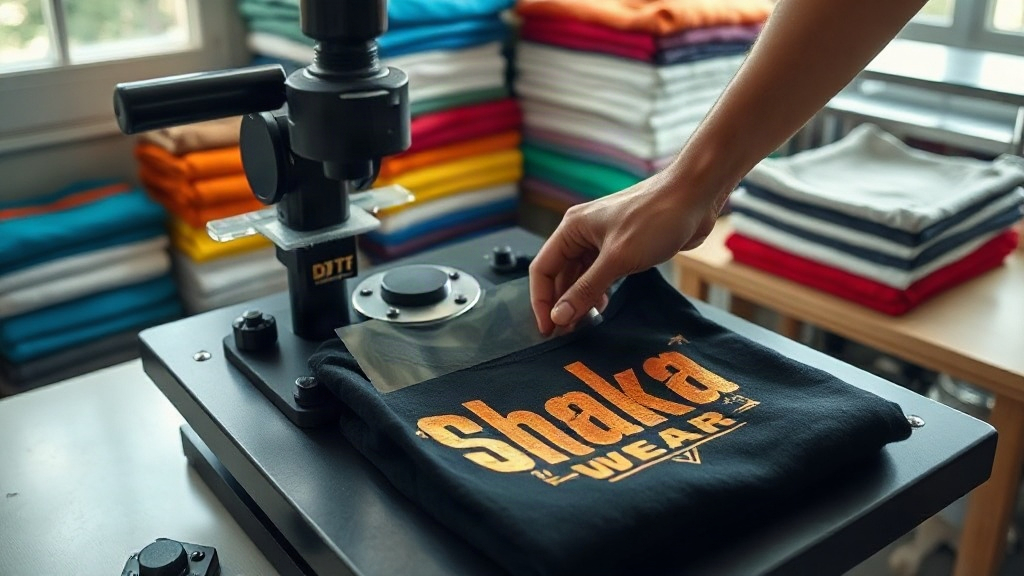
When you're in the business of custom apparel, the blank you choose can make or break your final product. Shaka Wear has quietly become a go-to for printers who demand consistency, comfort, and a canvas that truly showcases vibrant designs. If you've ever pulled a DTF transfer from a shirt because the fabric couldn't hold the ink, you know the frustration. This guide dives deep into what makes Shaka Wear stand out, how to get the best results with DTF printing, and why your customers will notice the difference.
Why Shaka Wear Blanks Excel for DTF Printing
DTF printing has revolutionized custom apparel, allowing for full-color, detailed transfers that adhere to a wide range of fabrics. But not all blanks are created equal. Shaka Wear garments are known for their tight weave and smooth surface, which provide an ideal receptor for DTF transfers. Their cotton and cotton-blend fabrics are consistently soft yet durable, meaning your prints won't just look good on day one; they'll stay put wash after wash.
One of the standout features of Shaka Wear is their attention to fabric weight. Many of their tees come in 5.5 oz to 6.5 oz ranges, offering a substantial feel without being heavy. This weight is perfect for DTF because it provides enough structure to support the transfer while remaining comfortable for everyday wear. Plus, the tight knit reduces the chance of the transfer sinking into the fabric, which can cause that dreaded dull or cracked look.
Choosing the Right Shaka Wear Garment for Your Project
Not all Shaka Wear styles are the same, and selecting the right one depends on your end use. Here's a breakdown of popular options:
- Classic Crewneck Tees: These are your workhorses. Made from 100% cotton, they offer a smooth surface for DTF prints. Ideal for retail and promotional wear.
- Heavyweight Tees: If you're printing on dark colors or need extra opacity, heavyweight options like the 6.5 oz tee provide a thicker canvas that helps colors pop.
- Blends (50/50 or Tri-blend): These offer a softer, vintage feel. DTF adheres well to blends, but you may need to adjust your press settings slightly.
- Hoodies and Sweatshirts: For cooler weather, Shaka Wear fleece is a great choice. The brushed interior doesn't affect DTF adhesion as long as you pre-press to remove moisture.
Consider your design's complexity and the desired hand feel. For intricate details, a tighter weave like 100% cotton works best. For a vintage, relaxed vibe, blends are excellent.
Step-by-Step DTF Printing on Shaka Wear
Getting a flawless DTF transfer on Shaka Wear requires more than just a heat press. Follow these steps for professional results:
- Pre-press the garment: This removes moisture and wrinkles. Set your press to 325°F (160°C) for 5-10 seconds. This step is crucial for Shaka Wear because their fabrics can hold onto moisture from shipping or storage.
- Position the transfer: Place your DTF transfer with the printed side up. Use heat tape if needed to keep it in place.
- Press: Apply medium pressure at 325°F for 15-20 seconds. For Shaka Wear blends, you might need a slightly lower temperature to avoid scorching.
- Peel: Wait 5-10 seconds for the transfer to cool slightly, then peel the film in a smooth, consistent motion. If you see any lifting, press again for a few seconds.
- Post-press (optional): For extra durability, cover with parchment paper and press for another 5-10 seconds.
Always test on a scrap piece first, especially if you're using a new Shaka Wear style or a new DTF film brand.
Common Challenges and How to Overcome Them
Even with high-quality blanks, issues can arise. Here are solutions to frequent DTF problems on Shaka Wear:
Transfer Not Adhering
If the transfer peels off, it's usually due to insufficient pressure or temperature. Increase pressure and ensure your press is calibrated. Also, make sure the garment is completely dry before pressing.
Cracking or Fading
This often happens when the transfer is over-pressed or the garment is stretched too much during printing. Use moderate pressure and avoid stretching the fabric. Shaka Wear holds up well if you follow the guidelines.
Color Bleeding
On dark Shaka Wear garments, some DTF inks may appear less vibrant. Using a white underbase in your design or opting for a higher-opacity transfer can help. Alternatively, choose a lighter garment color.
Maximizing Durability and Washability
Your customers expect their custom apparel to last. With Shaka Wear, proper care ensures the DTF print stays vibrant. Here are care instructions to pass along:
- Wait 24 hours before first wash.
- Turn the garment inside out.
- Machine wash cold, gentle cycle.
- Tumble dry low or hang dry.
- Do not iron directly on the print.
Following these steps can extend the life of the print significantly. Shaka Wear fabrics are durable, but the print is only as good as its care.
Why Shaka Wear Is a Smart Choice for Your Business
If you're running a print shop or a custom apparel brand, consistency is key. Shaka Wear offers reliable sizing, color consistency across batches, and a reputation for quality that your clients will appreciate. Their blanks are also available in a wide range of colors and sizes, making them versatile for any project. Plus, the brand's commitment to ethical manufacturing and fair labor practices aligns with the values of many modern consumers, giving you a selling point beyond just the print.
Frequently Asked Questions
Can I use DTF printing on all Shaka Wear fabrics?
Yes, DTF printing works on cotton, blends, and even some synthetics. However, for best results, pre-test on a small area, especially with 100% polyester. Shaka Wear cotton and blends are particularly DTF-friendly.
What temperature should I use for DTF on Shaka Wear tees?
Generally, 325°F (160°C) for 15-20 seconds with medium pressure. For blends, you might lower to 300°F to prevent scorching. Always check your DTF film manufacturer's recommendations.
Do I need to pre-wash Shaka Wear garments before DTF printing?
No, pre-washing is not necessary. In fact, it's better to pre-press to remove moisture and wrinkles. Washing before printing can leave residues that affect adhesion.
How do I prevent the DTF print from cracking on Shaka Wear?
Avoid over-stretching the fabric during pressing and use consistent, medium pressure. Also, ensure the transfer is fully cooled before peeling. Proper washing inside out also helps.
Is Shaka Wear good for retail-quality custom apparel?
Absolutely. Shaka Wear is known for its retail-quality blanks. With proper DTF application, the final product looks professional and holds up to repeated wear and washing.
By choosing Shaka Wear and mastering DTF printing techniques, you can deliver custom apparel that impresses clients and stands the test of time. Whether you're printing a few shirts for a local team or scaling up for a brand, the combination of quality blanks and reliable printing methods sets you up for success.