
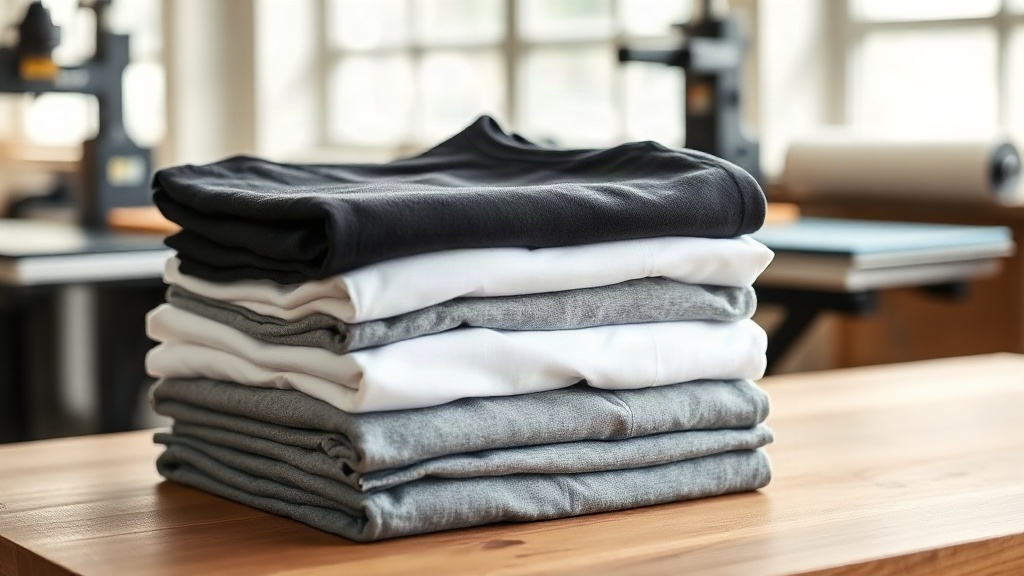
When you're creating custom apparel with DTF transfers, the blank you choose is just as important as the print itself. Shaka Wear has become a go-to for many in the DTF community, thanks to its heavyweight fabrics and streetwear aesthetic. If you've ever wondered why these blank tees and hoodies dominate the custom printing scene, this guide will walk you through everything you need to know. From fabric composition to pressing techniques, we'll cover how to make the most of Shaka Wear blanks for your DTF projects.
Why Shaka Wear Blanks Stand Out for DTF Printing
DTF (Direct to Film) printing has exploded in popularity because it allows for vibrant, full-color designs on a wide range of fabrics. But not all blanks are created equal. Shaka Wear garments are known for their substantial weight, typically 6.5 oz and up, which provides a smooth, stable surface for heat transfer applications. The tight knit weave helps prevent the print from sinking into the fabric, resulting in crisp lines and bold colors.
Another key factor is the cotton-poly blend found in many Shaka Wear styles. This blend offers the best of both worlds: the softness and breathability of cotton, plus the durability and color retention of polyester. For DTF printing, polyester content is particularly beneficial because the adhesive powders used in DTF transfers bond exceptionally well with synthetic fibers. This means your prints will stay put wash after wash.
Popular Shaka Wear Styles for Customization
If you're new to the brand, here are some of the most popular Shaka Wear blanks that work beautifully with DTF:
- Shaka Wear MAX HEAVYWEIGHT T-Shirt: A 7.5 oz beast that holds its shape and provides a premium feel.
- Shaka Wear Hooded Sweatshirt: Ideal for colder months, with a cozy brushed interior and a smooth face for printing.
- Shaka Wear Long Sleeve Tee: Great for layered looks and year-round wear.
- Shaka Wear Tank Top: Perfect for summer events and gym merch.
Each of these styles shares the brand's commitment to quality construction, including double-needle stitching and reinforced seams. That durability translates to a longer-lasting finished product for your customers.
Preparing Shaka Wear Blanks for DTF Transfers
Before you press, a little prep goes a long way. Shaka Wear garments often come with a light factory finish that can interfere with adhesion. Start by pre-pressing each garment for 5 to 10 seconds at your transfer temperature (usually around 325°F to 350°F). This step removes moisture and wrinkles, creating a perfectly flat canvas.
While pre-pressing, pay attention to seams and thick areas. If you're printing over a pocket or a hoodie pouch, you may need to use a pressing pillow to ensure even pressure. Uneven pressure is one of the most common reasons DTF prints peel or crack, so don't skip this step.
Choosing the Right DTF Transfer for Shaka Wear
Not all DTF transfers are the same. When ordering custom transfers for Shaka Wear blanks, look for high-quality films and inks that are designed for cotton-poly blends. The transfer should have a vibrant, opaque print with a soft hand feel. If you're producing in-house, make sure your printer uses pigment inks that cure properly. A well-made DTF transfer will stretch with the fabric without cracking, which is essential for heavyweight knits like those from Shaka Wear.
Step-by-Step DTF Pressing on Shaka Wear
Here's a reliable pressing process that works well for most Shaka Wear garments:
- Preheat your heat press to 325°F (163°C) for cotton-heavy blends or 350°F (177°C) for higher polyester content.
- Pre-press the garment for 5-10 seconds to remove wrinkles and moisture.
- Position the DTF transfer with the printed side facing up. Use heat tape if needed to secure it.
- Press with medium-heavy pressure for 15-20 seconds. If your press has a digital timer, set it and wait for the beep.
- Peel the film while it's still warm (for most DTF films) or cool (check your film's instructions). Peel in a smooth, consistent motion.
- Post-press the area for 5-10 seconds with a Teflon sheet or parchment paper to enhance durability.
Always test on a scrap piece first, especially if you're using a new film brand. Shaka Wear blanks are forgiving, but getting the temperature and pressure right will make your prints look professional.
Common Pitfalls and How to Avoid Them
Even with quality blanks and transfers, issues can arise. Here are a few problems you might encounter and their solutions:
- Print peeling after washing: Usually caused by insufficient pressure or pressing time. Increase pressure and ensure your press is evenly calibrated.
- Faded colors: May indicate under-cured ink or too low temperature. Verify your transfer supplier's recommendations.
- Stiff feel: Often due to over-pressing or using too much adhesive powder. Adjust your settings and try a different transfer type.
- Cracking: Can happen if the garment is stretched during pressing. Keep the fabric flat and avoid excessive stretching.
By troubleshooting these common issues, you'll achieve consistent results on your Shaka Wear apparel.
Caring for DTF-Printed Shaka Wear Garments
To keep your custom creations looking fresh, share these care instructions with your customers: wash inside out in cold water, tumble dry low or hang dry, and avoid ironing directly on the print. Following these simple steps will extend the life of the DTF print and the garment itself.
One of the advantages of Shaka Wear is that the fabric holds up well to repeated washing, so your prints won't be the only thing that lasts. The heavyweight cotton-poly blend resists shrinking and pilling, maintaining a professional appearance over time.
Frequently Asked Questions
Can I use DTF transfers on 100% cotton Shaka Wear tees?
Yes, DTF printing works on 100% cotton, though the bond may be slightly less durable than on poly blends. For best results, use a transfer designed for cotton and follow the pressing instructions carefully. Pre-pressing is especially important to remove moisture that can hinder adhesion.
What temperature should I use for pressing DTF on Shaka Wear hoodies?
Most Shaka Wear hoodies are a cotton-poly blend, so a temperature of 325°F to 350°F is ideal. Start at 325°F and increase if needed. Always pre-press the garment and use medium-heavy pressure for 15-20 seconds.
How do I prevent the DTF print from cracking on Shaka Wear garments?
Cracking often results from under-pressing or stretching the fabric during application. Ensure even pressure across the entire transfer and avoid pulling the garment. Also, choose a high-quality DTF transfer that is designed to stretch with the fabric.
Are Shaka Wear blanks true to size?
Shaka Wear garments generally run true to size, but some styles like the heavyweight tees may have a slightly boxy fit. Check the size chart provided by your supplier and consider ordering a sample to confirm the fit before bulk printing.
How long do DTF prints last on Shaka Wear apparel?
With proper application and care, DTF prints can last as long as the garment itself. Following the recommended washing instructions (cold, inside out, low dry) will help maintain vibrant colors and prevent peeling for years.