
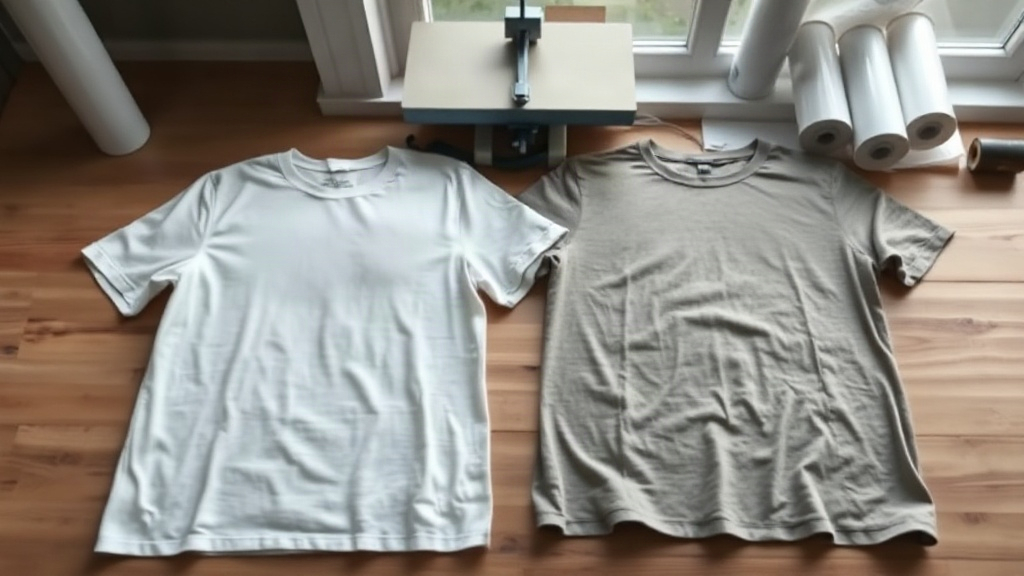
When you're printing DTF transfers, the blank you choose can make or break the final product. Two names that frequently come up in printing circles are Smart Blanks and Shaka Wear. Both offer quality apparel, but they cater to different needs and printing methods. In this article, we'll break down the key differences, help you decide which brand suits your DTF projects, and share practical tips to get flawless results every time.
Why the Blank Matters for DTF Printing
DTF (Direct to Film) printing has exploded in popularity because it works on almost any fabric. But not all blanks are created equal. The weave, thickness, and finish of a garment affect how the transfer adheres, how it feels, and how long it lasts. Choosing the wrong blank can lead to cracking, peeling, or a print that looks dull. That's why understanding the differences between Smart Blanks and Shaka Wear is crucial for anyone serious about DTF.
Smart Blanks: The DTF-Friendly Workhorse
Smart Blanks has built a reputation for being a reliable, affordable option that plays nicely with DTF transfers. Their garments are typically 100% cotton or cotton-poly blends with a smooth surface that accepts transfers well. The consistency across batches means you can order in bulk without worrying about drastic variations in color or fit.
Key Features of Smart Blanks
- Fabric options: Mostly 100% cotton and cotton/poly blends, which are ideal for DTF because they handle the heat press well.
- Fit: Classic unisex cuts with a modern, slightly tapered look. They appeal to a wide range of customers.
- Price point: Budget-friendly, making them a favorite for high-volume orders and sample runs.
- Availability: Widely stocked in common colors, so you're not stuck waiting for restocks.
In my own shop, I've used Smart Blanks for everything from small batch custom tees to large corporate orders. The prints adhere consistently, and the shirts hold up after multiple washes when applied correctly. They're a solid choice if you're just getting started with DTF transfers or need a dependable everyday blank.
Shaka Wear: Heavyweight and Streetwear-Ready
Shaka Wear is a different beast. Known for their heavyweight cotton and relaxed, streetwear-inspired fits, Shaka garments are often thicker and more substantial. This can be a blessing or a curse for DTF printing. The heavier fabric provides a premium feel and drapes well, but it also requires more careful heat pressing to ensure the transfer bonds properly.
Key Features of Shaka Wear
- Fabric weight: Often 6.5 oz or heavier, giving a durable, high-quality hand feel.
- Fit: Boxy, oversized cuts that appeal to streetwear and skate brands.
- Price point: Higher than Smart Blanks, but justified by the heavier material and brand cachet.
- Color range: More limited than Smart Blanks, but includes trendy earth tones and pastels.
I've printed on Shaka Wear tees for clients who want that thick, structured look. The key is to adjust your heat press settings: slightly higher pressure and a few extra seconds can make all the difference. Without that, you risk a transfer that sits on top of the fabric instead of integrating with it.
Head-to-Head: Smart Blanks vs. Shaka Wear for DTF
Let's compare them side by side on the factors that matter most for DTF printing.
1. Print Adhesion and Durability
Smart Blanks generally have a smoother, tighter weave that allows DTF transfers to adhere evenly. The prints feel soft and stretch with the fabric. Shaka Wear, with its heavier weight, can be trickier. The thicker fibers may require more heat and pressure to get a good bond. However, once properly applied, prints on Shaka Wear are extremely durable because the heavy fabric protects the transfer from stretching and cracking.
2. Comfort and Wearability
For everyday wear, Smart Blanks wins on breathability and lightness. They're comfortable in warm weather and layer well. Shaka Wear shines in cooler months or for customers who prefer a substantial, cozy feel. The choice here depends on your target market.
3. Cost and Profit Margins
If you're running a high-volume DTF business, Smart Blanks offer better margins. You can keep prices competitive while still delivering quality. Shaka Wear commands a higher retail price, so you can charge more, but your initial investment per unit is higher. It's a trade-off between volume and premium positioning.
4. Availability and Color Selection
Smart Blanks typically have a broader color palette and more consistent stock. Shaka Wear may have limited runs of certain colors, so if you need a specific shade for a large order, plan ahead. Both brands are available through major distributors, but Smart Blanks tends to be easier to source in bulk.
Practical Tips for DTF Printing on Both Brands
No matter which blank you choose, following best practices ensures a professional finish.
- Pre-press the garment: Always pre-press for 5-7 seconds to remove moisture and wrinkles. This is especially important for Shaka Wear's heavier cotton.
- Adjust temperature and pressure: For Smart Blanks, 325°F for 15 seconds with medium pressure works well. For Shaka Wear, increase to 350°F for 20 seconds with firm pressure.
- Use a cover sheet: A Teflon sheet or parchment paper protects the transfer and prevents scorching.
- Peel test: After pressing, wait for the transfer to cool completely (cold peel) or peel warm depending on your film's instructions. Always do a test shirt first.
- Wash inside out: Advise your customers to wash inside out in cold water and tumble dry low to extend the life of the print.
I learned the hard way that skimping on pre-pressing leads to premature peeling, especially on Shaka Wear. A few extra seconds of prep saves hours of rework.
Which Blank Should You Choose?
There's no one-size-fits-all answer. If you're just starting with DTF transfers and want an affordable, reliable blank that's easy to print on, Smart Blanks is your best bet. If you're targeting the streetwear crowd and want a premium, heavyweight feel, Shaka Wear is worth the extra effort. Many printers keep both in stock to offer variety and meet different customer demands.
Ultimately, the best blank is the one that aligns with your brand, your budget, and your printing capabilities. Experiment with both, dial in your heat press settings, and you'll be turning out professional DTF apparel in no time.
Frequently Asked Questions
Can I use DTF transfers on Shaka Wear's heavyweight cotton?
Yes, but you'll need to adjust your heat press settings. Use a higher temperature (around 350°F) and firm pressure for 20 seconds. Pre-press the garment to remove moisture, and always do a test run to ensure proper adhesion.
Are Smart Blanks suitable for high-volume DTF printing?
Absolutely. Smart Blanks are designed for consistency and affordability, making them ideal for bulk orders. Their smooth fabric accepts DTF transfers well, and the lower cost per unit helps maintain healthy profit margins.
Which brand offers better color selection for DTF projects?
Smart Blanks generally has a wider range of colors and more consistent stock. Shaka Wear tends to focus on a curated palette, often with streetwear-oriented tones. If you need a specific color for a large order, check availability with your distributor first.
How do I prevent DTF prints from cracking on Shaka Wear?
Proper application is key. Ensure even pressure across the entire transfer, and avoid over-stretching the garment during pressing. After pressing, allow the transfer to cool completely before peeling (cold peel) if your film requires it. Washing inside out in cold water also helps.
Can I mix Smart Blanks and Shaka Wear in the same order?
Yes, many printers offer both to cater to different preferences. Just be mindful that your heat press settings will differ between the two brands. Keep a settings log for each to streamline your workflow.