
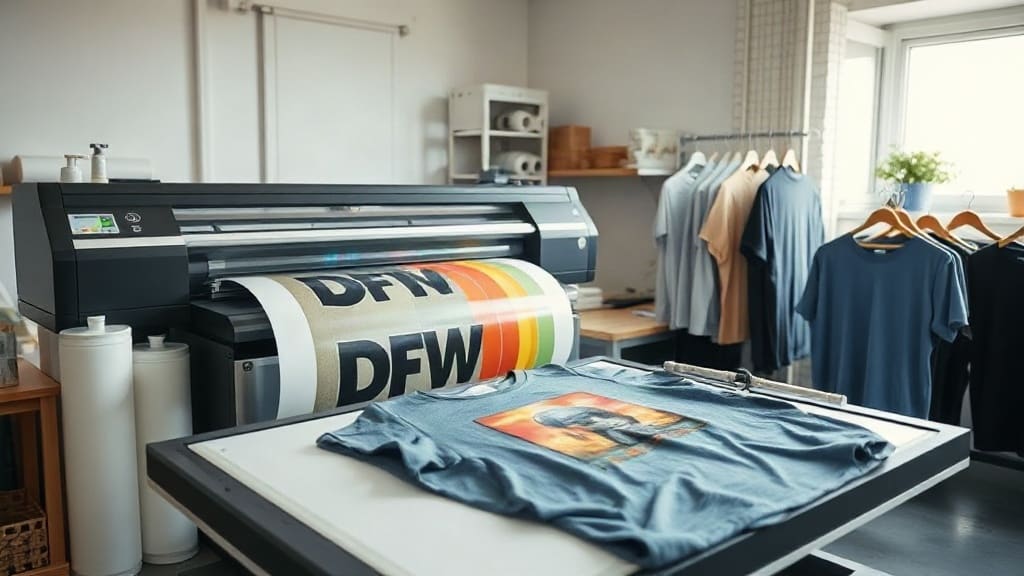
Have you ever wondered how custom t-shirts with vibrant, detailed designs are made so quickly? The secret is often DTF printing. Unlike traditional methods, this technology is taking the custom apparel world by storm. If you're curious about starting your own printing business or simply want to create unique garments from home, this guide will walk you through everything you need to know about DTF printing, from the basic process to the essential equipment and practical tips for success.
What is DTF Printing?
DTF stands for Direct to Film. In simple terms, it's a printing method where a design is printed onto a special film, coated with adhesive powder, and then heat-pressed onto a fabric. The result is a durable, stretchable, and vibrant print that feels soft to the touch. Unlike direct-to-garment (DTG) printing, which prints directly onto the shirt, DTF prints onto a transfer film first, offering more versatility in terms of fabric types and color vibrancy.
How Does DTF Printing Work?
The process might sound technical, but once you see it in action, it's quite straightforward.
Step-by-Step Process
- Design Preparation: Create or choose a design using graphic software. Ensure it has the right resolution and color profile.
- Printing on Film: The design is printed onto a special PET film using a DTF printer. This printer uses CMYK plus white ink (and sometimes additional colors like light cyan and light magenta). The white ink serves as an underbase, making colors pop on dark fabrics.
- Applying Adhesive Powder: While the ink is still wet or after a brief flash cure, a hot-melt adhesive powder is applied to the printed side. This powder sticks only to the ink area.
- Drying and Curing: The film passes through a dryer or heat press to melt the powder, creating a strong bond with the ink.
- Heat Press Transfer: The transfer film is placed on the garment with the design facing down. Heat and pressure are applied for a specific time and temperature, typically around 320°F (160°C) for 15-20 seconds.
- Peeling: After cooling slightly, the film is peeled away. Some films are hot-peel, some are cold-peel, depending on the type.
What Equipment Do You Need for DTF Printing?
Getting started with DTF requires some specific gear. Here's a breakdown of the essential items:
Printer
You can either convert an existing Epson printer (like the L1800 or P600) or purchase a dedicated DTF printer. These printers have a modified ink system that handles white ink, which is thicker and more prone to clogging. Look for models with a bulk ink system and a built-in circulation mechanism for the white ink.
Film and Powder
You'll need PET film designed for DTF, available in rolls or sheets. The adhesive powder comes in different particle sizes (fine, medium, coarse). Fine powder is ideal for detailed designs, while coarse works better for solid prints.
Heat Press
A standard heat press works fine, but a clamshell or swing-away press is recommended for even pressure. Ensure it can reach the required temperature and has a timer.
Dryer or Curing Oven
After applying the powder, the film needs to pass through a heat source to cure the adhesive. Some setups use a conveyor dryer, but for small-scale operations, a hot air gun or an oven can be used, though they require more manual attention.
Software and Computer
You'll need design software like Adobe Illustrator or Photoshop, and a RIP (Raster Image Processor) software to manage color profiles and ink density. A decent computer is essential for smooth operation.
Pros and Cons of DTF Printing
Like any technology, DTF has its advantages and drawbacks. Knowing these can help you decide if it's right for you.
Advantages
- Versatility: Works on many fabrics, including cotton, polyester, blends, and even leather.
- Vibrant Colors: The white underbase ensures bright colors on dark materials.
- Durability: Prints can withstand many washes without cracking or fading.
- Soft Hand Feel: The adhesive layer is thin, resulting in a soft texture.
- No Pre-Treatment: Unlike DTG, you don't need to pre-treat the garment.
- Print on Demand: You can print transfers in advance and apply them as orders come in.
Disadvantages
- Learning Curve: Managing white ink and proper curing requires practice.
- Initial Investment: A good DTF printer and accessories can cost a few thousand dollars.
- Waste: You have to trim the film around the design, which creates waste.
- Not Ideal for Very Small Orders: For one-off prints, DTG might be quicker.
DTF vs. Other Printing Methods
To appreciate what DTF brings to the table, let's compare it with two popular alternatives.
DTF vs. DTG
Direct-to-garment printing involves a printer that sprays ink directly onto the shirt. It's excellent for full-color, detailed designs but requires pre-treatment on cotton and is slower for bulk orders. DTF, on the other hand, prints to film first, which can be applied to various fabrics and allows you to prepare transfers in advance. DTF also tends to have better opacity on dark colors.
DTF vs. Screen Printing
Screen printing is the classic method for high-volume orders. It involves creating screens for each color, which is costly for small runs but economical for large batches. DTF is more flexible for custom, on-demand jobs without the setup cost. However, screen printing still offers the lowest cost per unit for bulk orders.
Tips for Successful DTF Printing
To get the best results, keep these tips in mind:
Calibrate Your Printer
Regularly run nozzle checks and clean your printheads, especially for the white ink. White ink tends to settle, so keep it circulating or manually stir it if needed.
Test Your Settings
Every combination of film, powder, and heat press behaves differently. Make test prints to find the optimal temperature, pressure, and time.
Use Quality Materials
Invest in good-quality film and powder. Cheap materials can lead to poor adhesion or cracking.
Maintain Your Heat Press
Ensure your heat press is calibrated correctly. Use a heat gun or temperature strip to verify the actual temperature.
Peel While Warm or Cold?
Follow the manufacturer's instructions for the film. Some films require hot peeling, others cold peeling. Getting this right is crucial for a clean transfer.
Common Mistakes to Avoid
Even experienced printers make mistakes. Here are a few to watch out for:
- Over-powdering: Too much adhesive powder can make the print stiff and prone to peeling.
- Under-curing: If the powder doesn't melt completely, the transfer won't stick properly.
- Incorrect Pressure: Too little pressure can leave parts of the design un-transferred; too much can cause ghosting.
- Not Using a Teflon Sheet: Always protect your garment and film with a Teflon or parchment paper to avoid scorching.
Cost Considerations
The initial investment for a basic DTF setup is around $3,000 to $5,000, including a printer, film, powder, and heat press. For a professional-grade setup with a dedicated DTF printer and dryer, expect to pay $10,000 or more. However, the cost per print is relatively low, making it profitable even for small businesses.
Frequently Asked Questions
What fabrics can DTF print on?
DTF works well on cotton, polyester, cotton-poly blends, nylon, and even leather. It's most effective on smooth, flat surfaces. For textured materials like fleece, you might need to adjust your technique.
How long do DTF transfers last?
With proper care, DTF prints can last as long as the garment itself. They can withstand 50+ washes without significant fading or cracking, provided you use quality materials and follow the correct curing process.
Can I use DTF at home without professional equipment?
Yes, you can start with a converted Epson printer and a home heat press. It will require more trial and error, but it's possible. Just be prepared to spend time learning the nuances.
Do I need a special printer for DTF?
Yes, DTF requires a printer that can handle white ink. Standard inkjet printers cannot print white. You can convert some Epson models, but dedicated DTF printers come with features like ink circulation to prevent clogging.
What's the difference between DTF and sublimation printing?
Sublimation uses heat to turn solid dye into gas, which bonds with polyester fibers. It's only for light-colored, polyester-based fabrics. DTF uses adhesive powder and works on a wider range of fabrics, including cotton.
Conclusion
DTF printing is a game-changer for custom apparel. It combines the flexibility of digital printing with the durability of screen printing, making it accessible for beginners and professionals alike. With the right equipment and a bit of practice, you can produce stunning, long-lasting prints that will impress your customers. Whether you're starting a side hustle or looking to expand your existing business, DTF is definitely worth considering. So why not give it a try? Your next creation could be just a press away.