
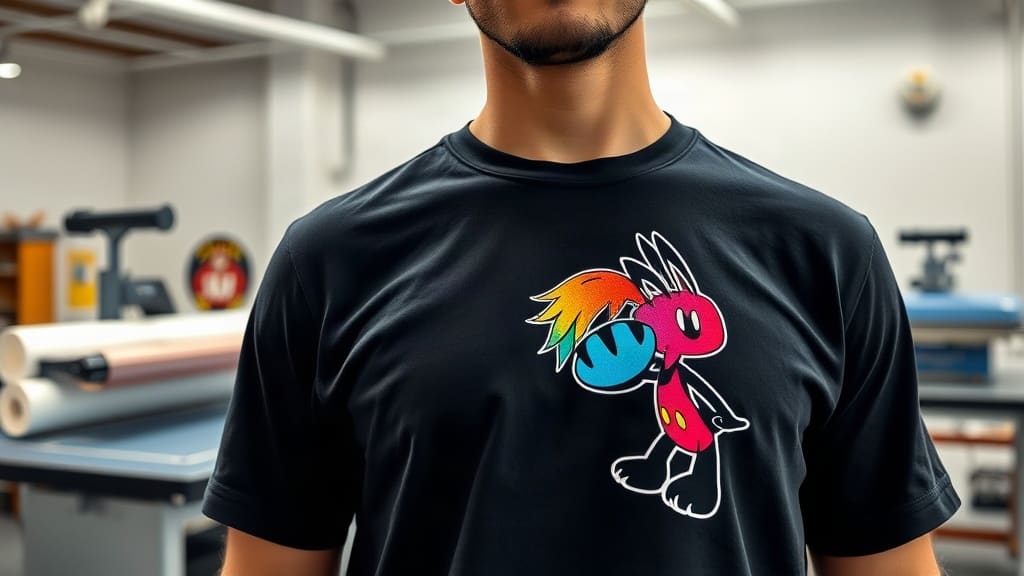
If you are looking for a flexible and high-quality way to create custom apparel, DTF transfers might be exactly what you need. Unlike traditional methods, this technology allows you to print vibrant designs onto a special film and then transfer them onto fabric using heat and pressure. Whether you are a small business owner or a DIY enthusiast, understanding how this process works can open up a world of possibilities. In this guide, we will walk you through the essentials, from the materials required to the step-by-step application, and answer some common questions along the way.
What Are DTF Transfers?
DTF transfers is an abbreviation for Direct to Film transfers. It is a printing method where a design is printed onto a PET film using a special printer and pigment inks. Then, a powdered adhesive is applied to the wet ink, and the film is passed through a heat source to melt the powder. The result is a transfer that can be applied onto various fabrics with a heat press. This process is known for its durability, vibrant colors, and versatility, making it a favorite among print-on-demand businesses and custom apparel creators.
How Does the DTF Process Work?
The entire process might sound complex, but it is quite straightforward. First, you need to print your design in reverse onto a transparent PET film. This is done using a DTF printer, which is essentially a modified inkjet printer that uses white ink as a base layer. After printing, while the ink is still wet, you apply a hot-melt adhesive powder over the design. The powder sticks only to the inked areas. Then, you cure the film in a dryer or with a heat press at a specific temperature to melt the powder and bond it with the ink. Once cured, the transfer is ready to be pressed onto a garment.
The application is done using a heat press. You place the film with the design facing down on the fabric, apply heat and pressure for a set time, and then peel off the film. The result is a soft, stretchy, and wash-resistant print that can be applied to cotton, polyester, blends, and even some hard surfaces.
Key Materials Needed for DTF Transfers
- PET film: A clear or matte film that holds the printed design.
- DTF printer: A printer with a white ink system, often converted from standard inkjet printers.
- Pigment inks: Water-based inks that provide bright colors and are durable.
- Adhesive powder: A thermoplastic powder that melts and bonds the ink to the fabric.
- Heat press: For curing the powder and applying the transfer.
- Heat tape: To hold the film in place during pressing.
Why Choose DTF Over Other Methods?
There are several reasons why DTF transfers have become so popular. First, they offer excellent color vibrancy, even on dark fabrics, because of the white underbase. They are also cost-effective for small to medium runs, as you do not need to create screens (like in screen printing) or print multiple layers. Additionally, DTF transfers can be applied to a variety of materials, including 100% cotton, polyester, nylon, and even leather. The prints are stretchable and durable, surviving numerous washes without cracking or fading. Another advantage is that you can store the transfers and apply them later, making it convenient for on-demand production.
Step-by-Step Guide to Applying DTF Transfers
Now, let us walk through the actual process of applying a DTF transfer to a garment. This is a practical guide that you can follow step by step.
Step 1: Prepare Your Work Area
Ensure that your heat press is clean and set to the correct temperature, typically around 160-170°C (320-338°F). The pressure should be medium to firm, and the time should be set to about 15-20 seconds. Place a Teflon sheet or parchment paper over your garment to protect it and the transfer.
Step 2: Position the Transfer
Place the DTF transfer film onto your garment with the printed side facing down. Use heat tape to secure the edges so that it does not move during pressing. Make sure the design is exactly where you want it, as it will be permanent.
Step 3: Press the Transfer
Bring the heat press down onto the transfer and apply firm pressure. You may need to press twice for larger designs. Once the time is up, lift the press and let the film cool for a few seconds. Then, slowly peel away the film, either hot or cold, depending on the manufacturer's instructions. Most DTF transfers are hot-peeled, but some might require cold peel. Follow the recommendations for the specific film you are using.
Step 4: Final Press
After peeling, cover the design with a Teflon sheet and press again for about 5-10 seconds to ensure the adhesive is fully cured and the print is smooth. This extra step helps with durability.
Common Challenges and How to Overcome Them
Even though DTF transfers are relatively simple, you might encounter a few issues. One common problem is poor adhesion, which can be caused by insufficient pressure or incorrect temperature. To fix this, check your heat press settings and ensure the fabric is smooth. Another issue is cracked prints, which often occur if the transfer is applied to a fabric that requires a lower temperature, or if the adhesive is not properly cured. Make sure you are using the right temperature for the specific transfer. Also, avoid stretching the fabric immediately after pressing, as the adhesive needs time to set.
Drying and Curing Tips
If you are making your own transfers, proper curing is crucial. The adhesive powder must be melted completely to ensure a strong bond. You can use a heat press or a dryer at around 160°C for 2-3 minutes. However, be careful not to overheat, as it can cause the film to wrinkle or the design to fade. Always test with a small sample first.
Benefits for Small Businesses and DIY Enthusiasts
For small businesses, DTF transfers offer a low-cost entry into custom apparel. You do not need a large upfront investment, and you can produce items on demand without holding inventory. This method also allows you to offer full-color designs with gradients and fine details, which is difficult with other techniques. For DIY enthusiasts, DTF transfers are a fun and creative way to personalize shirts, bags, and other items. You can print your own designs at home or order custom transfers online and apply them with a simple heat press.
Environmental and Safety Considerations
While DTF transfers are generally safe, it is important to handle the adhesive powder with care. The powder is fine and can be inhaled, so wear a mask when working with it and ensure good ventilation. Also, the PET film is not biodegradable, so consider recycling or disposing of it properly. Some companies offer eco-friendly films, but they are less common. When it comes to the inks, choose water-based options that are free of harmful chemicals. Always follow the manufacturer's safety guidelines.
Frequently Asked Questions
Can DTF transfers be used on all fabrics?
Yes, DTF transfers can be applied to a wide range of fabrics, including cotton, polyester, blends, and even some synthetic materials. However, performance might vary. For example, on 100% cotton, the print will have a soft feel, while on polyester, it will be more durable. Always test on a small piece first.
How long do DTF prints last?
DTF prints are very durable and can withstand many washes, typically up to 50 or more if applied correctly. The key is to follow the recommended pressing time and temperature, and to avoid using harsh detergents or bleach.
What is the difference between DTF and DTG?
DTG (Direct to Garment) prints directly onto the fabric using an inkjet printer, while DTF prints onto a film and then transfers. DTF is often more versatile for different fabric types and allows for bulk production, while DTG is better for high-detail prints on cotton. Both have their place, but DTF is gaining popularity for its flexibility.
Can I use DTF transfers at home without a heat press?
Technically, you can use a regular household iron, but it is not recommended. A heat press provides consistent pressure and temperature, which is essential for a durable bond. An iron might not get hot enough or apply even pressure, leading to poor results. If you are serious about DTF, invest in a heat press.
How do I store DTF transfers?
Store DTF transfers in a cool, dry place away from direct sunlight. Keep them flat or rolled loosely to avoid creases. Properly stored transfers can last for months without losing quality.
Conclusion
DTF transfers have revolutionized the custom apparel industry by offering a cost-effective, high-quality, and versatile solution. Whether you are a business owner looking to expand your product line or a hobbyist wanting to create custom gifts, this technology provides endless possibilities. By following the steps and tips outlined in this guide, you can achieve professional results and enjoy the benefits of this innovative printing method. So why not give it a try? Your next creative project might just be a DTF transfer away.