
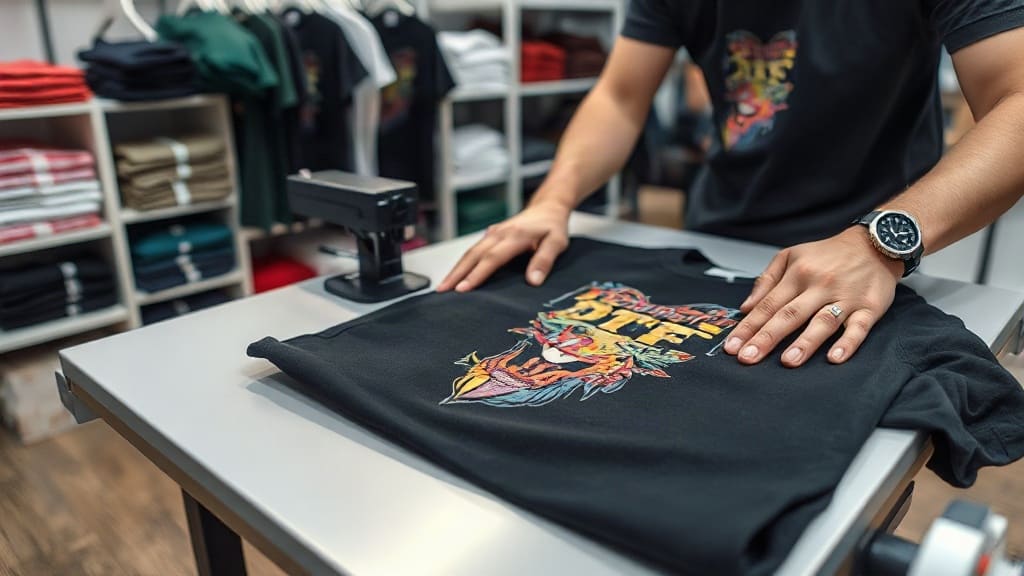
When you search for DTF transfers near you, you’re probably looking for a reliable way to produce custom apparel without a huge upfront investment. Direct-to-film printing has revolutionized the industry, but the quality you get depends heavily on where you source your transfers. I’ve been in the garments industry for over a decade, and I’ve seen both brilliant and disastrous results from various suppliers. In this guide, I’ll share what I’ve learned about evaluating DTF transfers from local vendors, so you can avoid common pitfalls and get prints that wow your customers.
Why DTF Transfers Are So Popular
DTF printing works by printing your design onto a special film, applying adhesive powder, and then heat-pressing it onto fabric. Unlike screen printing, there’s no setup cost for screens, and unlike direct-to-garment (DTG), you don’t need a bulky printer that can only handle certain garment types. DTF transfers stick well to cotton, polyester, blends, and even tricky surfaces like nylon or leather. That flexibility is why many small businesses and hobbyists are searching for DTF transfers near me.
But not all transfers are created equal. A bad transfer can crack after one wash, look dull, or peel off entirely. So how do you separate the great local suppliers from the mediocre ones? Let’s break it down.
What to Look for in a DTF Transfer Supplier
When you’re evaluating any local DTF transfer service, you need to check several key factors. These will determine the quality, durability, and overall value you get.
Print Quality and Resolution
The first thing to inspect is the print resolution. A high-quality DTF transfer should have crisp edges, vibrant colors, and smooth gradients. Ask suppliers for a sample print before you commit. Look at the fine details, especially small text or intricate logos. If the print looks blurry or pixelated, that supplier isn’t using a high-resolution printer or proper color management.
Also, check how colors look on different fabrics. Some suppliers adjust their print settings for dark versus light garments, which affects opacity. A good transfer will have a white underbase that makes colors pop on dark shirts without feeling thick or rubbery.
Adhesive Powder and Film Quality
The adhesive powder is what makes the transfer stick to the fabric. Low-quality powder can result in poor adhesion, leading to peeling. Similarly, the film must be compatible with your heat press and release cleanly without leaving residue. Reputable suppliers use premium films and powders, which they’ll often mention in their product descriptions or when you ask.
When you receive a test transfer, press it onto a garment and then wash it a few times. See if the print shrinks, cracks, or fades. This simple test tells you more than any sales pitch.
Turnaround Time and Reliability
If you’re running a business, you need your transfers on time. A supplier who promises 48-hour delivery but takes a week can hurt your own deadlines. Ask about their current turnaround times and whether they offer rush orders. It’s also wise to read reviews or ask for references. A local supplier with a strong reputation is more likely to be reliable because they have a physical presence to protect.
Pricing and Minimum Order Quantities
Pricing varies widely. Some suppliers charge per square foot, others per transfer. Always get a quote for your specific design size. Beware of extremely low prices, as they often reflect lower quality materials. Also, check if they have a minimum order quantity (MOQ). If you only need a few transfers for a one-off project, you don’t want to be forced to buy 50.
How to Search for Local DTF Transfer Services
Now that you know what to look for, let’s talk about how to actually find DTF transfers near me. The internet is your friend, but you need to filter results effectively.
- Google Maps: Search for “DTF transfer printing” or “custom DTF transfers” in your area. Look at business photos and read recent reviews.
- Social Media: Facebook groups for local business owners often have recommendations. Search for your city or region plus “DTF” to see what’s being discussed.
- Local Print Shops: Many screen printing or embroidery shops now also offer DTF services. Even if they don’t advertise it, call and ask.
- Trade Shows and Events: If there’s a local business expo or print industry event, attend it. You can meet suppliers face-to-face and see samples in person.
Once you have a list of candidates, visit their websites. Look for a portfolio of their work, detailed FAQs, and clear contact information. If they don’t have a professional online presence, that might be a red flag.
Questions to Ask a Potential DTF Supplier
When you contact a supplier, come prepared with questions. This shows you’re serious and helps you get the information you need.
- What type of printers and inks do you use? (Epson and Ricoh are common; genuine DTF inks are essential.)
- Can you send a sample transfer before I place a bulk order?
- What is your turnaround time for custom transfers?
- Do you offer discounts for larger quantities?
- What is your return or replacement policy if a transfer is defective?
- Do you have any examples of your work on various fabrics?
A confident supplier will answer these without hesitation. If they dodge questions or seem unprofessional, trust your gut and look elsewhere.
Comparing Quality: Local vs. Online
You might wonder if it’s better to use a national online service instead of a local vendor. There are pros and cons to both. Local suppliers allow you to see samples in person, build a relationship, and often have faster shipping. Online services can offer lower prices and a wider range of options, but you can’t physically inspect the product before ordering.
In my experience, a good local supplier is worth their weight in gold. They understand the local market, can give personalized advice, and are accountable for their work. Plus, you avoid shipping delays and potential damage during transit. That’s why the phrase DTF transfers near me is so popular among business owners who value speed and quality.
However, if you live in a small town with no local providers, don’t despair. Many online companies ship quickly and offer samples. Just be sure to do your due diligence, same as you would with any supplier.
Tips for Getting the Best Results from Your Transfers
Even the best DTF transfer will fail if you don’t apply it correctly. Here are some tips I’ve learned through trial and error.
Use the Right Heat Press Settings
Temperature, pressure, and time are critical. Most DTF transfers require around 320°F (160°C) for 10-15 seconds with medium to firm pressure. But always follow the supplier’s instructions, as different films and adhesives may require adjustments. If you press too hot or too long, the adhesive can over-melt and bleed; too cold or short, and it won’t stick properly.
Pre-Press Your Garment
Pre-press your shirt for a few seconds to remove moisture and wrinkles. This ensures a smooth, flat surface for better adhesion. It also helps the transfer stick evenly.
Peel Hot or Cold?
Some transfers are hot-peel, others are cold-peel. Check the instructions. Hot-peel transfers are peeled immediately after pressing, while cold-peel requires you to wait for the film to cool. Getting this wrong can ruin the transfer, so pay attention.
Wash and Care Instructions
Tell your customers to wash garments inside out in cold water and avoid using bleach or fabric softeners. They should also avoid tumble drying on high heat. Proper care extends the life of the print significantly.
Common Mistakes to Avoid
Many people make the same mistakes when ordering DTF transfers. Here are a few to steer clear of.
- Ignoring the artwork requirements: DTF printing works best with high-resolution files (300 DPI) in PNG or AI format. If you submit a low-res JPEG, your print will look blurry. Make sure your supplier provides clear guidelines.
- Not ordering a test print: Always test before going into full production. A tiny sample can save you from wasting money on a large order that turns out poorly.
- Forgetting to consider the fabric color: Even with a white underbase, transparent areas in your design will show the fabric color. So if you have a design with a transparent background, it will appear as the shirt color, which may affect the overall look.
- Choosing the cheapest option: Price is important, but not at the expense of quality. A cheap transfer that peels after a few washes is not a bargain.
The Future of DTF Transfers
The DTF industry is evolving rapidly. We’re seeing improvements in film technology, more eco-friendly inks, and faster printers. Some suppliers are even offering “all-in-one” DTF systems for in-house printing, which is great for businesses that want more control. But for many, using a local transfer service remains the most practical and cost-effective approach.
As the market grows, competition will likely increase, which is good news for buyers. Prices may drop, and quality will improve. But you still need to be an informed consumer. That’s why searching for DTF transfers near me is a smart move, but you need to do your homework to find the best.
Frequently Asked Questions
What is the difference between DTF and screen printing transfers?
Screen printing transfers are made by printing layers of ink through a mesh screen onto paper. They work well for solid designs and are often cheaper for large quantities. DTF transfers, on the other hand, are printed onto film with a special printer and then powder-adhesive is applied. DTF can handle more colors and gradients without extra cost, and it works on a wider range of fabrics. For small to medium runs or complex designs, DTF is usually more flexible.
How long do DTF transfers last?
A well-made and properly applied DTF transfer can last as long as the garment itself, withstanding 50 or more washes if cared for correctly. The key is the quality of the adhesive and the pressing process. Always follow the care instructions to maximize the lifespan.
Can I use DTF transfers on dark shirts?
Yes, absolutely. DTF transfers are ideal for dark shirts because the white underbase provides opacity. However, the white layer might make the print slightly thicker, but modern films have minimized this. Just ensure the supplier uses a high-quality white ink.
Do I need a special printer to apply DTF transfers?
No, you don’t need a printer. To apply DTF transfers, you need a heat press, which is a machine that applies heat and pressure. You can also use a home iron, but it’s harder to get consistent results. A heat press is a worthwhile investment if you plan to do this regularly.
How much do DTF transfers cost?
The cost varies based on size, quantity, and the supplier. On average, you might pay $1 to $3 per transfer for a standard 8x10 inch design, with discounts for bulk orders. Always ask for a quote because prices can differ significantly.
Final Thoughts
Finding the right supplier for DTF transfers near me takes a bit of effort, but it’s worth it. Start by doing a thorough search, ask for samples, and test them yourself. Build a relationship with a supplier who delivers consistent quality and reliable service. Over time, you’ll develop a trusted source that makes your apparel business shine.
Remember, the cheapest option isn’t always the best, and the most expensive doesn’t guarantee perfection. Focus on value: quality prints, fair pricing, and dependable turnaround. If you follow the advice in this guide, you’ll be well on your way to producing beautiful, long-lasting garments that your customers will love.