
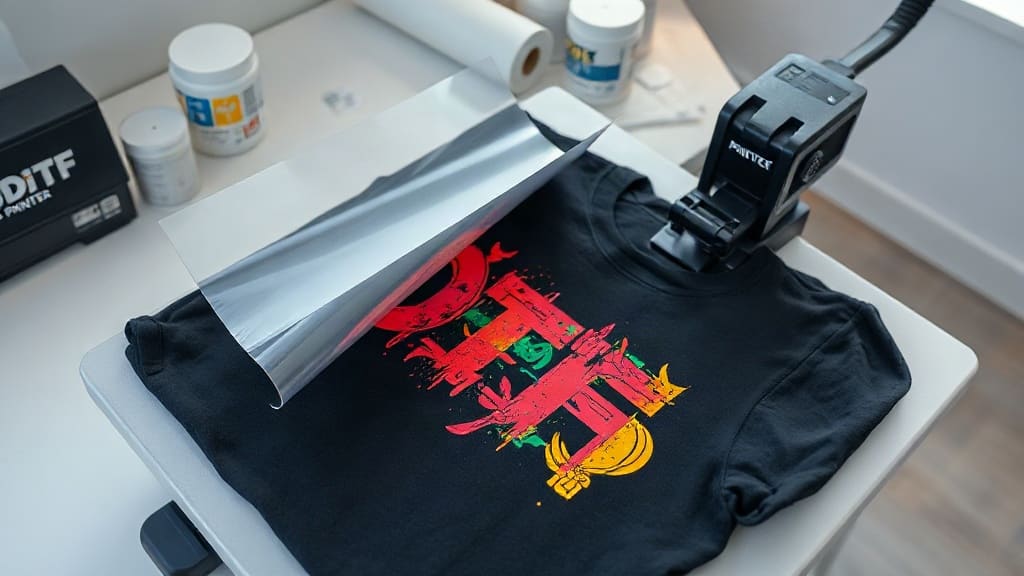
If you're exploring custom printing methods, DTF transfers have likely caught your attention. This innovative technique has taken the apparel industry by storm, offering a versatile and cost-effective way to print designs on various fabrics. In this guide, we'll break down what DTF transfers are, how they work, and why they might be the perfect choice for your next project.
What Are DTF Transfers?
DTF stands for Direct to Film. It's a printing process where a design is printed onto a special PET film, coated with adhesive powder, and then heat-pressed onto a garment. Unlike traditional screen printing or heat transfer vinyl, DTF transfers allow for high-detail, full-color designs without the need for weeding or separating colors.
The process is simple: you print the design on the film, apply adhesive powder to the wet ink, cure the powder, and then transfer the design to the fabric using heat and pressure. The result is a vibrant, durable print that feels soft to the touch.
Why Choose DTF Transfers?
DTF transfers have become popular for several reasons. First, they work on a wide range of fabrics, including cotton, polyester, blends, and even nylon. This versatility makes them ideal for custom apparel, sportswear, and promotional items. Second, the prints are stretchable and durable, able to withstand numerous washes without cracking or fading.
Another advantage is the ease of use. You don't need to create screens or weed vinyl, so you can produce small batches or even one-off prints quickly and affordably. Plus, DTF transfers allow for full-color designs with gradients and fine details, which are challenging with other methods.
Materials and Equipment Needed
To start making DTF transfers, you'll need some specific materials and equipment. Here's a rundown:
- DTF Printer: A printer that uses DTF inks, typically Epson or other inkjet printers converted for this purpose. You'll also need a RIP software to control color management.
- DTF Films: PET film specifically designed for DTF. It's usually available in rolls or sheets, with a coating that holds the ink and adhesive.
- DTF Inks: Water-based or eco-solvent inks that are compatible with your printer. CMYK plus white ink is standard because white is often printed as a base layer.
- Adhesive Powder: A hot-melt powder that's applied to the wet ink on the film. It activates during the heat press, bonding the design to the fabric.
- Shaker or Applicator: To apply the powder evenly, you can use a shaker or a powder applicator machine that also cures the powder.
- Heat Press: A standard heat press, similar to those used for vinyl, is essential for transferring the design onto the garment.
You might also need a curing oven if your powder applicator doesn't have a curing function. But many setups combine the powder application and curing in one step.
The DTF Transfer Process: Step-by-Step
Once you have your materials, the process is straightforward. Let's walk through it:
- Design Your Artwork: Create or prepare your design using graphic software. Remember that white areas in the design will be printed with white ink, so keep that in mind.
- Print on Film: Load the PET film into your printer and print the design with the DTF inks. The order is usually color first, then white on top, but this can vary. Ensure the film is oriented correctly.
- Apply Adhesive Powder: While the ink is still wet, cover the printed area with adhesive powder. Use a shaker to spread it evenly, and remove any excess.
- Cure the Powder: Heat the film to melt the powder. This can be done with a curing oven or by using a heat press for a short time. The powder should turn from a powder to a sticky, glue-like consistency.
- Cut the Transfer: Once cooled, cut out the design with scissors or a cutter, leaving a small margin around the edges.
- Heat Press onto Garment: Place the transfer on your garment with the film side up. Apply heat and pressure with your heat press for the recommended time (usually 15-20 seconds at 320°F).
- Peel the Film: After pressing, let it cool slightly, then peel off the film. Your design is now transferred!
This process is efficient, and with practice, you can achieve professional results.
Tips for Perfect DTF Transfers
While the process is straightforward, there are nuances to get the best outcome. Here are some tips:
- Use a High-Quality Film: The film quality affects the clarity and durability of the transfer. Look for films that are compatible with your printer and have a good reputation.
- Shake the Powder Well: Ensure the adhesive powder is evenly distributed. If it's too thick, the design might have a raised texture; too thin, and it might not adhere properly.
- Test with Different Fabrics: Different fabrics require slightly different press times and temperatures. Always test on a sample piece first.
- Maintain Your Printer: DTF inks can clog nozzles, so regular cleaning is essential. Also, using a RIP software can help manage color profiles.
- Handle the Film Carefully: The ink can smudge if you touch it before it's cured. Use gloves or handle by the edges.
Pros and Cons of DTF Transfers
Like any method, DTF has its advantages and drawbacks. Let's compare them:
Pros
- Works on various materials, including dark fabrics.
- High detail and vibrant colors.
- Soft hand feel compared to vinyl.
- Durable and stretchable, suitable for activewear.
- No weeding or screen setup, making it great for small runs.
- Cost-effective for low-volume production.
Cons
- Requires specialized equipment and inks.
- Initial setup cost can be high.
- The adhesive powder can be messy and needs careful application.
- Printing white ink can be tricky and may require multiple passes.
- Not as eco-friendly as some other methods due to the film and powder.
DTF Transfers vs. Other Methods
How does DTF compare to other popular techniques? Let's look at a few:
DTF vs. Screen Printing
Screen printing is excellent for large orders with simple designs, offering low per-unit costs. However, it requires significant setup and is not ideal for full-color or complex designs. DTF is more flexible for small batches and detailed prints.
DTF vs. Heat Transfer Vinyl (HTV)
HTV is great for simple text and shapes, but it requires weeding and can crack over time. DTF allows for more complex designs and has better durability.
DTF vs. Sublimation
Sublimation works only on polyester and light-colored fabrics, while DTF works on both light and dark, and various materials. Sublimation produces vibrant prints but is limited in fabric compatibility.
Cost Considerations
The cost of DTF transfers depends on your volume and setup. If you're a hobbyist, you can start with a smaller printer and manual powder application. For businesses, investing in a larger printer and automated powder machine can increase efficiency. The consumables (film, ink, powder) cost per print is relatively low, making DTF economical for small batches.
One thing to note: the initial investment in a DTF printer and accessories can be a few thousand dollars. But if you're producing custom apparel regularly, the return on investment can be quick.
Common Questions About DTF Transfers
Let's address some frequently asked questions to clear up any confusion.
Can I Wash Garments with DTF Transfers?
Yes, DTF transfers are washable. For best results, wash the garment inside out in cold water and avoid using bleach. Tumble dry on low or hang dry. With proper care, the design can last for many washes without fading or cracking.
How Long Do DTF Transfers Last?
The lifespan of a DTF transfer depends on the quality of materials and application. Generally, they can withstand 50 to 100 washes. Using high-quality inks and films, and following the correct pressing guidelines, will extend the life of the print.
Can I Use DTF Transfers on Any Fabric?
DTF transfers are versatile and work on cotton, polyester, blends, and even materials like nylon. However, they work best on fabrics with a smooth surface. For very textured or heavy fabrics, you may need to adjust the pressing time and temperature.
Do I Need a Special Printer for DTF?
Yes, you need a printer that can handle DTF inks. Many people convert Epson EcoTank or similar printers by using refillable cartridges with DTF ink. However, for professional results, dedicated DTF printers are available from various manufacturers.
Is DTF Transfer Printing Eco-Friendly?
DTF printing uses less water than screen printing, but the films and powders are not biodegradable. Some brands offer eco-friendly films, and you can reduce waste by printing on demand. Consider recycling or proper disposal of used materials.
Conclusion
DTF transfers offer a fantastic solution for custom printing, combining versatility, quality, and ease of use. Whether you're starting a small business or just want to create unique gifts, DTF is worth considering. With the right equipment and practice, you can produce stunning, durable prints that will impress your customers or friends.
As with any technique, there's a learning curve, but the rewards are substantial. So, get your hands on some DTF supplies and start experimenting. You'll soon see why DTF transfers are becoming a favorite among printers worldwide.