
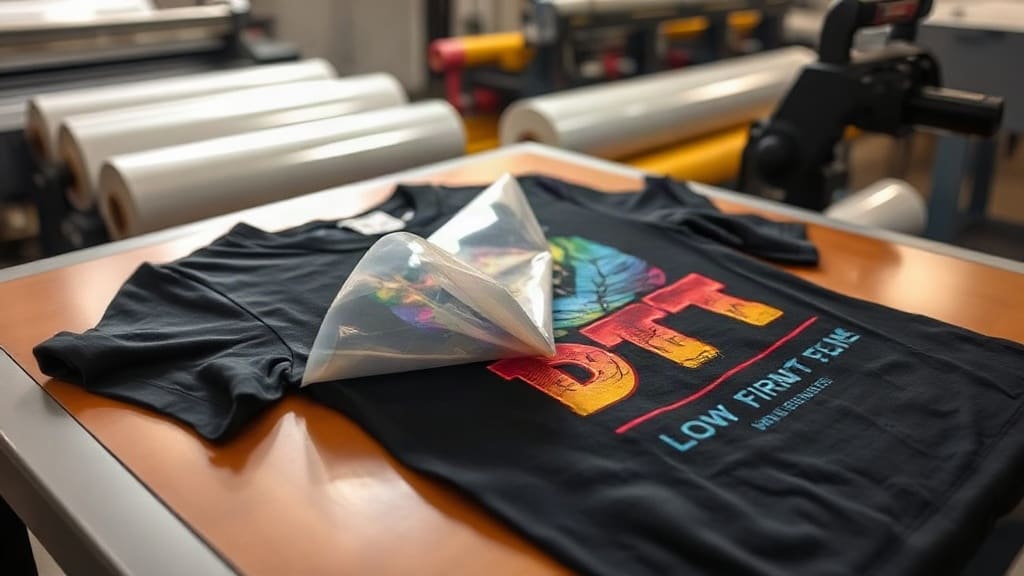
If you're in the custom apparel business or just love creating your own unique garments, you've probably heard about DTF transfers. This printing method has taken the industry by storm, offering a versatile and cost-effective way to produce high-quality designs on a wide range of fabrics. In this guide, we'll dive deep into what DTF transfers are, how they compare to other methods, and how you can achieve professional results every time.
What Are DTF Transfers?
DTF stands for Direct to Film. Unlike traditional screen printing or direct-to-garment (DTG) printing, DTF transfers involve printing your design onto a special PET film using a DTF printer and specialized inks. Once printed, the film is coated with a hot melt adhesive powder, which is then cured. The result is a transfer film that can be applied to virtually any fabric using a heat press.
What makes DTF so appealing is its versatility. You can apply DTF transfers to cotton, polyester, blends, denim, and even nylon. This opens up a world of possibilities for creating custom t-shirts, hoodies, bags, and more. Plus, the prints are soft, stretchy, and durable, making them perfect for everyday wear.
How Do DTF Transfers Work?
The process of creating a DTF transfer involves several steps, but it's straightforward once you understand it.
1. Printing the Design
First, you print your design onto a special PET film using a DTF printer. These printers use CMYK plus white ink, allowing you to print vibrant colors even on dark fabrics. The printer applies the ink in reverse, so when you transfer it, the design appears correctly.
2. Applying Adhesive Powder
After printing, while the ink is still wet, you sprinkle a hot melt adhesive powder over the film. This powder is what bonds the design to the fabric during heat pressing. The excess powder is shaken off, leaving a fine layer that covers the entire printed area.
3. Curing the Film
The film is then passed through a curing oven or heat tunnel to melt the adhesive powder and fuse it with the ink. This step is crucial for ensuring the transfer adheres properly when you later apply it to the garment.
4. Pressing onto Fabric
Finally, you place the transfer film onto your garment with the printed side down and press it with a heat press at the recommended temperature and pressure for a specific time. After cooling, you peel off the film, and your design is permanently bonded to the fabric.
Why Choose DTF Transfers?
There are many reasons why DTF transfers have become a favorite among small business owners and hobbyists alike.
Versatility
One of the biggest advantages is the ability to print on a wide variety of materials. Unlike DTG, which is limited to 100% cotton or high-cotton blends, DTF works on almost any fabric. This means you can offer your customers more options, from sportswear to workwear.
Vibrant Colors and Details
DTF transfers deliver excellent color reproduction, especially when you use the white ink underbase. Even delicate details and small text come out crisp and sharp. Whether you're printing a complex logo or a colorful graphic, the results are stunning.
Soft Hand Feel
The prints have a soft, almost watercolor-like texture that doesn't crack or peel easily. This is because the adhesive powder creates a thin, flexible layer that moves with the fabric. Unlike traditional vinyl, which can feel stiff, DTF prints are comfortable to wear.
Cost-Effective for Small Runs
If you're producing small quantities or even one-off items, DTF is incredibly cost-effective. There's no need for screens or expensive setup fees. You can print one design and apply it to a single shirt, making it ideal for personalized gifts and made-to-order businesses.
Easy to Store and Reuse
Once you create a DTF transfer film, you can store it for later use. The transfers have a shelf life, and you can apply them whenever you need. This is perfect for printing on demand at events or fulfilling last-minute orders.
DTF Transfers vs. Other Printing Methods
To appreciate the value of DTF, it's helpful to compare it with alternative methods.
DTF vs. DTG (Direct to Garment)
DTG printing involves printing directly onto the garment using a specialized inkjet printer. It works well on 100% cotton and produces vibrant prints, but it's slower and more expensive for bulk orders. DTF transfers offer faster turnaround times and can be applied to a wider range of fabrics.
DTF vs. Screen Printing
Screen printing is ideal for large quantities because it's cost-effective per unit. However, the setup cost is high, making it impractical for small runs. DTF has a lower upfront cost and is perfect for short runs and multi-color designs without the hassle of screen registration.
DTF vs. Vinyl (Heat Transfer)
Vinyl heat transfers require cutting each color from a roll of vinyl, which can be time-consuming for intricate designs. DTF prints the entire design in one go, including gradients and detailed artwork. Vinyl also tends to be thicker and less flexible, while DTF prints are softer and more durable.
Getting Started with DTF Transfers
If you're ready to try DTF transfers, here are the essential tools and steps to begin.
What You Need
- A DTF printer (or a service that prints DTF films for you)
- PET film rolls specifically designed for DTF
- DTF CMYK and white inks
- Hot melt adhesive powder
- A heat press machine
- Teflon sheets or parchment paper for protection
Step-by-Step Process
- Create or choose your design and ensure it's mirrored for transfer.
- Print the design onto the PET film using your DTF printer.
- Apply adhesive powder evenly over the wet ink.
- Shake off excess powder and cure in an oven or with a heat press.
- Preheat your garment to remove any moisture.
- Place the transfer film on the garment and press with a heat press at 320°F (160°C) for 15-20 seconds with medium pressure.
- Peel the film while it's still warm or after cooling, depending on the adhesive type.
- Your DTF transfer is complete!
Tips for Perfect DTF Transfers
To ensure your prints come out flawless, keep these expert tips in mind.
1. Use High-Quality Inks and Films
Investing in reliable inks and films will make a significant difference in the final result. Cheap materials can lead to faded colors, poor adhesion, and premature peeling.
2. Calibrate Your Printer
Regularly calibrate your DTF printer to ensure accurate color reproduction and sharp details. This includes checking the print head alignment and nozzle health.
3. Control the Environment
Humidity and temperature can affect the powder adhesion and curing process. Aim for a dry, dust-free environment with stable temperatures.
4. Test Before You Print
Always do a test print on a scrap piece of fabric to verify the colors and adhesion before running a full batch. This saves you from wasted materials and unhappy customers.
5. Adjust Pressure and Time
Different fabrics require different heat press settings. For thicker materials like hoodies, you may need more pressure and a longer press time. For delicate fabrics like polyester, lower temperatures are essential to avoid scorching.
6. Let the Print Cool
After pressing, allow the transfer to cool completely before peeling. This helps the adhesive set properly and prevents the design from pulling away from the fabric.
Common Mistakes to Avoid
Even experienced printers encounter issues. Here are some pitfalls to watch out for.
- Using too much or too little adhesive powder can cause poor adhesion or a stiff print.
- Not curing the film properly leads to peeling after washing.
- Pressing at the wrong temperature can damage both the transfer and the fabric.
- Ignoring fabric type can result in prints that crack or disappear after a few washes.
By paying attention to these details, you can avoid costly errors and deliver high-quality products.
Creative Applications for DTF Transfers
The possibilities with DTF are nearly endless. Here are some ideas to inspire you.
- Custom t-shirts and apparel for events, sports teams, and businesses.
- Personalized gifts like tote bags, pillowcases, and aprons.
- Fashion designs with intricate patterns and vibrant artwork.
- Promotional merchandise for brands and organizations.
Because DTF works on so many materials, you can expand your product line without investing in new equipment.
Caring for DTF Printed Garments
To ensure the longevity of your prints, proper care is essential. Always advise your customers to wash garments inside out in cold water and avoid using bleach or fabric softeners. Tumble drying on low heat is fine, but high heat can break down the adhesive over time. By following these simple guidelines, your prints will stay vibrant for years.
Environmental Considerations
As with any printing method, it's important to be mindful of waste. DTF films and powders can be recycled or disposed of properly. Many manufacturers now offer eco-friendly options, such as water-based inks and recyclable films. By choosing sustainable materials, you can reduce your environmental footprint while still producing amazing products.
Conclusion
DTF transfers have revolutionized the custom printing industry, offering a versatile, cost-effective, and high-quality solution for businesses and hobbyists alike. Whether you're just starting out or looking to expand your services, mastering DTF will give you a competitive edge. With the right equipment and techniques, you can create stunning, durable prints that your customers will love. So why not give DTF transfers a try? Your next masterpiece might be just a press away.
Frequently Asked Questions
Can DTF transfers be used on dark fabrics?
Absolutely. One of the main advantages of DTF transfers is their ability to work on dark fabrics. The white ink underbase ensures that your colors stay vibrant and opaque, regardless of the garment color.
How long do DTF transfers last?
With proper care, DTF transfers can last as long as the garment itself. They are designed to withstand repeated washing and wearing without cracking, peeling, or fading. The key is to use high-quality materials and follow the correct pressing instructions.
Do I need a special printer for DTF transfers?
Yes, you need a printer that is specifically designed for DTF, which typically uses DTF inks and can handle PET film. Many popular models include the Epson XP-15000 and the Epson L1800, but you can also use a converted printer. Alternatively, you can purchase pre-printed DTF films from a service provider.
What is the ideal heat press temperature and time?
The ideal settings vary depending on the fabric and the adhesive used. As a general guideline, a temperature of 320°F (160°C) for 15-20 seconds with medium pressure works well for most fabrics. Always refer to the manufacturer's recommendations for your specific materials.
Can DTF transfers be used on all types of fabric?
DTF transfers are highly versatile and can be applied to natural and synthetic fabrics, including cotton, polyester, blends, denim, and even leather. However, it's always a good idea to test on a small area first to ensure the fabric can withstand the heat and pressure.