
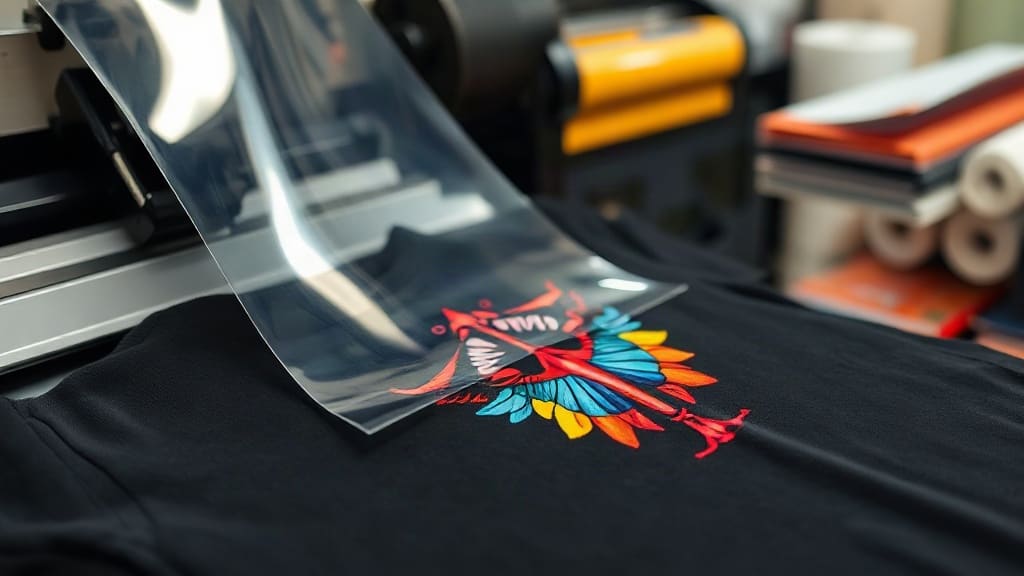
DTF transfers have taken the custom printing world by storm. If you've been looking for a way to create vibrant, durable, and soft-to-the-touch designs on garments without the complexity of traditional screen printing, then DTF might be the answer. Unlike other methods, DTF allows you to print full-color designs on a special film and transfer them to fabric using a heat press. It's a game-changer for small businesses and hobbyists alike because it requires less equipment and offers incredible versatility.
In this guide, we'll dive deep into what DTF transfers are, how they work, their pros and cons, and how you can get started with your own projects. Whether you're a seasoned printer or a complete beginner, you'll find practical advice and tips to make your DTF experience successful.
What Are DTF Transfers?
DTF stands for Direct to Film. It's a printing method where a special adhesive powder is applied to a printed film, and then the design is heat-pressed onto a garment. The process involves printing your artwork onto a PET film using a DTF printer, then applying a hot-melt adhesive powder to the wet ink, and curing it. Once cured, you have a transfer ready to be pressed onto any fabric, including cotton, polyester, blends, and even leather.
The technology evolved from DTG (Direct to Garment) printing but offers more flexibility. With DTF, you don't need to pre-treat the garment, and you can print on a wider range of fabrics. Plus, the transfers can be stored and used later, making it perfect for on-demand printing or bulk production.
How DTF Transfers Work
Understanding the process is key to getting great results. Here's a step-by-step breakdown of how DTF transfers are made and applied.
Step 1: Print Your Design
First, you need a DTF printer, which uses specialized inks (usually water-based or eco-solvent) and a white ink layer. The printer prints the design in reverse onto a PET film, with the white ink serving as an underbase for vibrant colors on dark fabrics.
Step 2: Apply Adhesive Powder
While the ink is still wet, you apply a hot-melt adhesive powder over the entire printed area. This powder is what will bond the design to the fabric. You need to ensure even coverage, so many printers use a shaker or a powder applicator. Excess powder is removed, leaving only the ink areas coated.
Step 3: Cure the Powder
The film with the powder is then passed through a curing oven or heat source, which melts the powder slightly to fuse it to the ink. This step is crucial; if not cured properly, the transfer may not stick well or could crack later.
Step 4: Store or Use
Once cured, the transfer is ready. You can either apply it immediately or store it in a cool, dry place for later use. To apply, place the transfer on the garment with the film side up, and press with a heat press at the recommended temperature and time (usually around 160°C for 10-15 seconds). After pressing, let it cool slightly, then peel the film away. Your design is now part of the fabric.
Why Choose DTF Transfers?
There are several reasons why DTF has become so popular among custom printers.
- Versatility: You can print on almost any fabric, including dark and light colors, without pre-treatment.
- Durability: DTF transfers are known for their excellent washability and resistance to cracking.
- Soft Hand Feel: Unlike some other transfer methods, DTF designs have a soft texture that feels good against the skin.
- Cost-Effective: For small to medium orders, DTF can be more affordable than screen printing because there are no screens to create.
- Ease of Use: The learning curve is relatively short, and you don't need a lot of space or expensive equipment.
DTF vs. Other Printing Methods
To help you decide if DTF is right for you, let's compare it with other common methods.
DTF vs. DTG
DTG (Direct to Garment) involves printing directly onto the shirt using a specialized printer. It's excellent for detailed designs on light-colored garments, but it requires pre-treatment for dark fabrics, and the process is slower. DTF offers more flexibility because you can print on any fabric and even on non-garment items like bags or caps.
DTF vs. Screen Printing
Screen printing is ideal for large runs because the initial setup cost is high, but the per-unit cost drops significantly. DTF has lower setup costs and is perfect for short runs or designs with many colors. However, for thousands of identical items, screen printing is still more economical.
DTF vs. Vinyl (Heat Transfer)
Vinyl cutting is great for single-color or simple designs, but DTF allows for full-color, photo-quality prints without the hassle of layering multiple vinyl pieces. DTF also has a softer hand feel compared to vinyl.
Getting Started with DTF Transfers
If you're ready to dive into DTF, here's what you'll need.
Essential Equipment
- DTF Printer: This is a specialized printer that can handle white ink and often includes a built-in powder shaker and curing unit. Brands like Epson and Brother offer DTF models.
- Heat Press: You can use a clamshell, swing-away, or a heat press machine. For DTF, a flat heat press works best.
- PET Films: These are the carrier films specifically designed for DTF printing.
- Adhesive Powder: Available in different particle sizes, this powder is essential for the transfer to stick.
- Inks: DTF printers use CMYK plus white ink. Make sure to use high-quality inks to ensure vibrant colors and durability.
Tips for Great Results
- Test on sample fabrics: Always run a test press to adjust temperature and pressure for different materials.
- Use proper peeling technique: Some films require hot peeling, others cold. Check your film's instructions.
- Maintain your printer: DTF printers require regular cleaning to prevent white ink from clogging.
- Design with the right resolution: For crisp prints, use high-resolution images (at least 300 DPI).
Common Mistakes to Avoid
Even experienced printers can make errors. Here are some pitfalls to watch out for.
- Skipping the curing step: If you don't cure the adhesive powder properly, the transfer won't adhere well.
- Using the wrong powder: The powder size and type should match your ink and film. Consult your supplier.
- Pressing too long or too hot: This can cause the design to become overly shiny or even melt the film.
- Not cleaning the garment: Ensure the fabric is free of lint and moisture before pressing.
Applications of DTF Transfers
DTF isn't just for T-shirts. You can use it on a wide variety of products, opening up many business opportunities.
- Apparel: T-shirts, hoodies, sweatshirts, leggings, and socks.
- Accessories: Tote bags, caps, and aprons.
- Home textiles: Pillowcases, curtains, and towels.
- Footwear: Canvas shoes and sneakers.
The ability to print on different materials makes DTF a versatile addition to any printing business.
Cost Considerations
The initial investment for a DTF setup can be significant, but it pays off in the long run. A decent DTF printer can cost anywhere from $2,000 to $10,000, depending on features and brand. However, for small businesses, there's also the option of buying pre-made DTF transfers from suppliers if you don't want to invest in equipment.
If you're just starting, consider outsourcing your DTF printing to a service like dtfprintkit.com. They offer high-quality DTF transfers at competitive prices, allowing you to test the waters without a huge upfront cost. As your business grows, you can invest in your own equipment.
Frequently Asked Questions (FAQ)
Can I use DTF transfers on any fabric?
Yes, DTF transfers work on most fabrics, including cotton, polyester, blends, and even nylon. However, for best results, ensure the fabric can withstand the heat press temperature (usually around 160°C). Some delicate fabrics like silk or lace may need lower temperatures and a different approach.
How many washes can DTF prints withstand?
With proper application, DTF prints can last for over 50 washes without significant fading or cracking. It's important to follow washing instructions: wash inside out, use cold water, and avoid bleach or fabric softeners, which can degrade the adhesive.
Do I need a special heat press for DTF?
No, a standard heat press works fine. You just need to adjust the temperature, pressure, and time according to the transfer's instructions. A flat heat press is recommended for even pressure.
Can I do DTF with a regular inkjet printer?
No, regular inkjet printers cannot handle the white ink and the adhesive powder process. DTF requires a specialized printer that can print with white ink and has features to handle the film and powder.
Is DTF transfers eco-friendly?
DTF printing uses water-based inks and produces less waste compared to screen printing, but the PET film and adhesive powder are not biodegradable. Many manufacturers are developing eco-friendly alternatives, so look for sustainable options if this is a concern.
Conclusion
DTF transfers are a fantastic option for anyone looking to create custom apparel and products with high-quality, durable prints. Whether you're a small business owner, a hobbyist, or a large-scale printer, DTF offers flexibility and ease of use that other methods can't match. With the right equipment and a bit of practice, you can produce stunning results that will impress your customers.
If you're not ready to invest in a DTF printer, consider using pre-made DTF transfers from a trusted provider. They can help you get started quickly and efficiently, allowing you to focus on your designs and growing your business. So why wait? Explore the world of DTF and elevate your printing game today.