
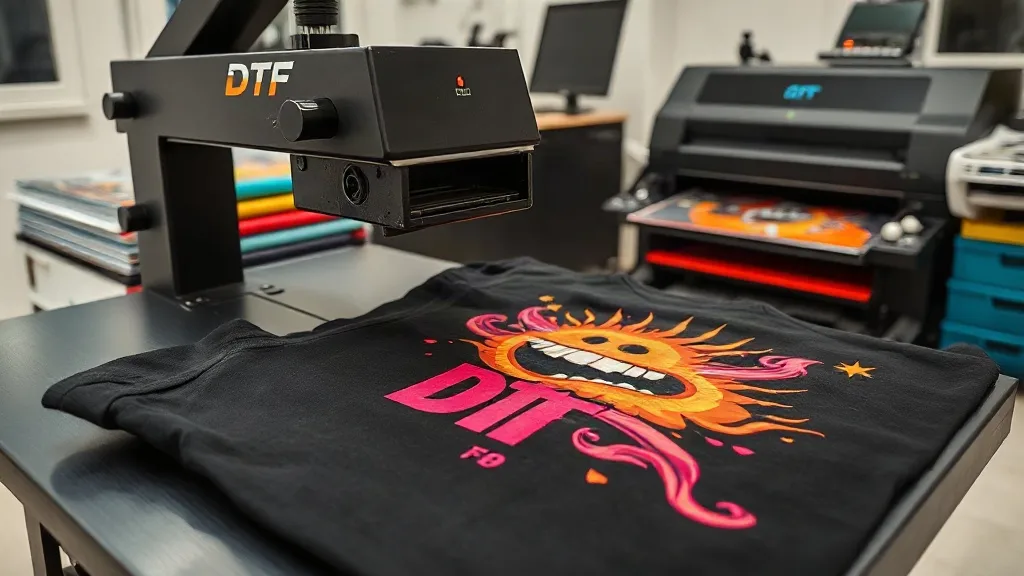
If you've been exploring custom apparel printing, you've likely come across dtf transfers. This technology is changing the game for small businesses and hobbyists alike, offering a versatile and cost-effective way to produce vibrant, durable prints on a wide range of fabrics. In this guide, we'll walk you through what DTF transfers are, how they work, and why they might be the perfect solution for your printing needs.
What Are DTF Transfers?
DTF stands for Direct-to-Film. It's a printing method where your design is printed onto a special film, then coated with a powder adhesive and cured. The result is a transfer that can be heat-pressed onto fabrics. Unlike DTG (Direct-to-Garment) printing, which requires specially coated shirts, DTF works on almost any fabric, including cotton, polyester, blends, and even nylon. This flexibility makes dtf a popular choice for businesses that want to offer a variety of products without investing in multiple printing setups.
How Does the DTF Process Work?
The DTF process involves several steps, from design to final press. Here's a breakdown:
- Design Preparation: Your artwork is prepared digitally, ensuring colors are vibrant and details are sharp. White ink is typically used as a base to make colors pop on dark fabrics.
- Printing: The design is printed onto a PET film using specialized DTF printers. These printers use pigment-based inks that are durable and flexible.
- Powder Application: While the ink is still wet, a hot-melt adhesive powder is applied to the film. This powder will bond the design to the fabric during heat pressing.
- Curing: The film is then cured under heat to melt the powder, creating a smooth, dry surface that's ready for transfer.
- Heat Pressing: The transfer is placed on the fabric and pressed with a heat press at a specific temperature and pressure. Once cooled, the film is peeled away, leaving the design bonded to the fabric.
Each step requires attention to detail, but once you have the hang of it, the process is fast and efficient.
Why Choose DTF Transfers?
There are several reasons why dtf transfers have become a go-to for many in the custom apparel industry:
- Versatility: Works on almost any fabric, including dark colors and synthetic materials.
- Durability: Prints are resistant to cracking, fading, and washing, making them ideal for items that see heavy use.
- Cost-Effective: No need for expensive pre-treatment or specialized garments; DTF can be more economical for small batches.
- High Detail: DTF can reproduce intricate designs with fine lines and gradients, something that can be challenging with other methods.
- No Weeding: Unlike vinyl, DTF transfers don't require weeding, saving time and reducing waste.
Whether you're printing t-shirts, hoodies, tote bags, or even hats, DTF transfers deliver professional results.
DTF Transfers Near Me: Finding Quality Supplies
If you're ready to start using DTF transfers, you might be wondering where to find supplies. Searching for dtf transfers near me can help you locate local suppliers, but online options often provide a wider selection and competitive pricing. When choosing a supplier, consider the quality of the film, ink, and powder, as these directly affect the final output. Look for reviews and ask for samples if possible. A reliable supplier will offer consistent products and good customer support.
Tips for Successful DTF Printing
To get the best results from your DTF transfers, keep these tips in mind:
- Use High-Quality Files: Ensure your designs are high resolution (300 DPI or higher) for crisp prints.
- Preheat the Fabric: This removes moisture and wrinkles, helping the transfer adhere better.
- Adjust Press Settings: Follow the recommended temperature, pressure, and time for your specific transfer and fabric. Too much heat can scorch, too little can cause peeling.
- Peel Correctly: Most DTF transfers are cold peel, meaning you wait for the transfer to cool completely before peeling the film. This ensures the design stays intact.
- Wash Inside Out: To prolong the life of the print, wash garments inside out in cold water and avoid harsh detergents.
Practice on scrap fabric first to dial in your settings.
Common Mistakes to Avoid
Even experienced printers can run into issues. Here are some common pitfalls and how to avoid them:
- Insufficient Pressure: If the press doesn't apply enough pressure, the transfer won't bond properly, leading to early peeling. Make sure your press is calibrated.
- Wrong Temperature: Each transfer type has a sweet spot. Using too high a temperature can melt the film or scorch the fabric; too low and the adhesive won't activate.
- Ignoring Fabric Type: While DTF works on many fabrics, some require adjustments. For example, stretchy fabrics may need a lower temperature to prevent distortion.
- Poor Storage: Store unused transfers in a cool, dry place away from direct sunlight to prevent the adhesive from degrading.
By being mindful of these details, you'll achieve consistent, professional results.
DTF vs. Other Printing Methods
How does DTF stack up against other popular printing techniques? Here's a quick comparison:
- DTF vs. DTG: DTG requires pre-treated shirts and works best on 100% cotton. DTF is more versatile and doesn't need pre-treatment, but DTG can produce a softer hand feel on cotton.
- DTF vs. Screen Printing: Screen printing is cost-effective for large orders but requires setup for each color. DTF is better for small batches and complex designs with many colors.
- DTF vs. Vinyl: Vinyl is limited to simple designs and requires weeding. DTF handles full-color images and gradients with ease.
Each method has its strengths, but DTF's flexibility makes it a strong contender for businesses of all sizes.
Frequently Asked Questions
What fabrics can I use with DTF transfers?
DTF transfers work on a wide range of fabrics, including cotton, polyester, blends, nylon, and even leather. They are especially good for dark and synthetic materials where other methods might struggle.
How long do DTF prints last?
With proper care, DTF prints can last as long as the garment itself. They are resistant to cracking and fading, and can withstand multiple washes if washed inside out in cold water.
Do I need a special printer for DTF?
Yes, DTF requires a dedicated DTF printer that uses pigment inks and can handle the film. However, you can also buy pre-printed transfers from suppliers and just use a heat press to apply them.
Can I use DTF on 100% cotton?
Absolutely. DTF works well on cotton, though the hand feel might be slightly firmer compared to DTG. The colors will still be vibrant and durable.
What is the best way to store DTF transfers?
Store them in a cool, dry place, away from direct sunlight and moisture. Keep them flat to avoid creasing, and use them within six months for optimal results.
Getting Started with DTF Transfers
Ready to dive into DTF printing? Start by sourcing quality supplies from a reputable vendor. If you're looking for dtf transfers near me, consider online stores that offer competitive pricing and fast shipping. Invest in a good heat press and practice on sample fabrics to perfect your technique. With a bit of experimentation, you'll be producing professional-grade apparel in no time.
DTF transfers are a game-changer for custom apparel, offering versatility, durability, and vibrant colors. Whether you're a small business owner or a hobbyist, this technology opens up a world of possibilities. So why not give it a try? Your customers will love the results, and you'll love the efficiency.