
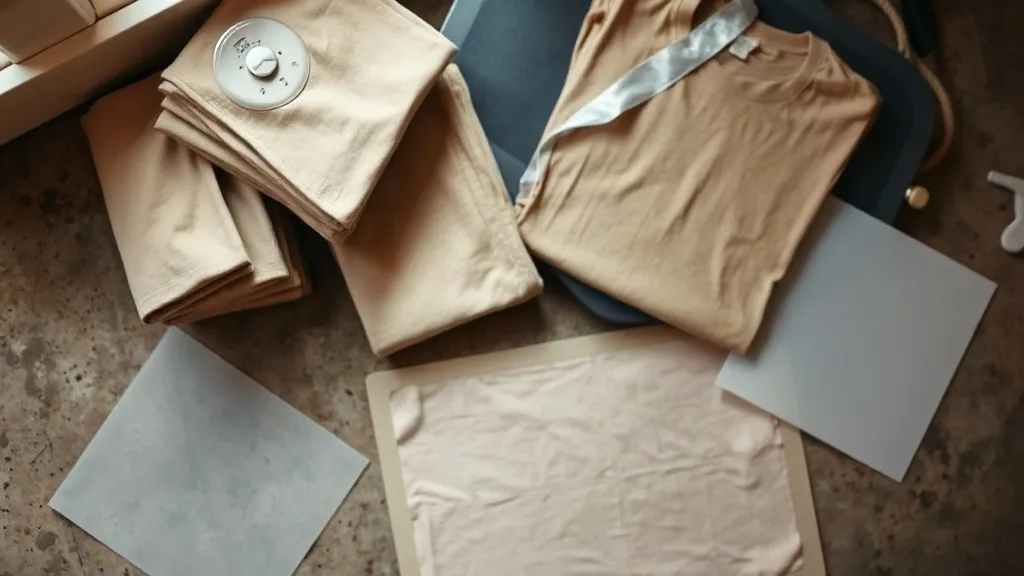
Most people who start printing DTF transfers buy the cheapest blank they can find, press a design, and then wonder why the print looks dull after three washes. The blank is usually the reason. shaka wear has become a common name in small print shops for the opposite reason: the shirts are heavy, the weave is tight, and they hold a transfer the way a heavyweight cotton should. This guide covers what actually matters when you pair these blanks with a DTF workflow, from fabric weight and heat settings to how you should lay out a sheet before you send it to the printer.
Why the Blank Decides Half of Your Print Quality
DTF film does not bond to ink the way screen printing does. The adhesive powder melts into the fabric surface, and the film peels away once it cools. That means the surface texture of the garment is doing a lot of work. A loose, thin jersey knit lets the film sink into the gaps between yarns, and the print reads as slightly fuzzy at the edges. A tight, heavier knit keeps the transfer sitting on top, which is exactly where you want it.
This is the practical reason blank selection matters more in DTF than in almost any other decoration method. With screen printing, a decent plastisol will look acceptable on a mid-weight tee. With DTF, a thin tee will show the print through the fabric on a bright light, and the edges of your design will look soft under any raking light.
What to Look for on the Spec Sheet
When you are comparing blanks, ignore the marketing language and look at four numbers:
- Fabric weight in ounces per square yard. Anything under 4.5 oz is going to be a compromise for DTF. The 5.5 to 6.5 oz range is where transfers hold shape and stay crisp.
- Cotton percentage. 100% cotton takes DTF adhesive well. High polyester blends can work but tend to feel slicker and sometimes need a slightly lower press temperature to avoid scorching.
- Knit type. Combed or ring-spun cotton gives a smoother surface than open-end cotton. Smoother surface means cleaner transfer edges.
- Shrinkage. Pre-shrunk blanks protect your print placement. A shirt that shrinks two inches after the first wash will pull your design into the wrong spot on the chest.
Shaka Wear blanks generally sit in the heavyweight end of that range, with tight ring-spun cotton construction and a boxy, streetwear-friendly cut. That combination is why they show up in small-batch brand work so often.
Heat Press Settings That Actually Work
Every DTF supplier publishes a temperature range, and every garment behaves a little differently inside that range. The settings below are a reasonable starting point for heavyweight cotton, but you should always run a test shirt before committing a full run.
- Pre-press the garment for 5 to 7 seconds at around 320°F (160°C). This pulls moisture out of the fabric. Skipping this step is the single most common cause of transfers lifting at the corners.
- Press the transfer at 300 to 320°F for 12 to 15 seconds with medium pressure. Heavyweight cotton needs the pressure to push the adhesive into the yarn, but not so much that the design flattens out.
- Cold peel the film. Wait until the shirt is cool to the touch before you pull. A hot peel on a heavy cotton blank often drags the adhesive and leaves a hazy edge.
- Post-press for 5 seconds with a Teflon sheet or parchment over the design. This seals the print and improves wash resistance noticeably.
If you are pressing onto a poly-blend version of the same cut, drop the temperature by about 10 to 15 degrees. Polyester scorches faster and the fabric can glaze under a hot platen.
Planning a Sheet Around Heavyweight Blanks
Once you know your blanks, the next bottleneck is layout. Most small shops waste film because they print one design at a time and let the rest of the sheet go unused. A DTF Gangsheet Builder solves that by letting you fill an entire sheet with multiple designs, sizes, and name variations before you send it to print. For a shop running mixed-size orders on heavyweight tees, that is the difference between a 60 percent waste rate and a near-zero one.
A few practical habits make gangsheets work better on these blanks:
- Group designs by size on the sheet so you can cut and press in batches instead of hunting for the right transfer.
- Leave at least a quarter inch of clear space between designs. Transfers pressed close together can bleed adhesive into each other during the cut.
- Print a small test square of each design in a corner. It costs almost nothing and tells you immediately if a color is off before you press a full run.
- Keep a consistent layout template for repeat orders. Rebuilding the sheet from scratch every time is where mistakes creep in.
The Size-to-Garment Math
On a boxy heavyweight cut, a full front print that measures 11 inches wide will look proportionate on a large but crowded on a small. Scale your design by roughly 5 to 8 percent per size step rather than using one file for everything. On a DTF Gangsheet Builder layout, this is easy to handle because you can place the resized versions side by side and cut them apart later.
Wash Testing: What to Expect and How to Check
Wash durability is where honest shops separate themselves from optimistic ones. A properly pressed DTF transfer on a heavyweight cotton blank should survive 30 or more home wash cycles without cracking or peeling at the edges. That is not a guarantee, it is a realistic expectation when the press settings and the post-press are done correctly.
Run your own test rather than trusting a label. Press a sample shirt, wash it five times inside out in warm water, and tumble dry on medium. Check three things: the edges of the design, the center of any large color block, and the area where the print crosses a seam. Edge lifting shows up first. If the edges are clean after five cycles, you are probably fine. If they lift, your pressure or your post-press is the first thing to adjust.
One more thing worth knowing: heavyweight blanks take longer to dry, and residual moisture is the enemy of adhesion. If your shop is humid, give pressed shirts an hour to cool and settle before you bag them.
Matching Blanks to Your Customer Base
The heavyweight, boxy silhouette that makes these blanks popular is not right for every buyer. A corporate client ordering polos for a trade show will not want a 6 oz streetwear cut. But for anyone selling to a younger demographic, running a small clothing label, or printing team and event shirts where the shirt itself is part of the appeal, the heavier blank does real work for you.
Think about it this way: your customer will judge the print by how the shirt feels in their hand before they ever look closely at the design. A substantial blank buys you goodwill that a thin one cannot. That is the whole argument for spending a little more per unit on the garment and a little less on reprints.
Frequently Asked Questions
Can you press DTF transfers onto 100% cotton heavyweight tees without pre-treating?
Yes. DTF does not require a pretreatment spray the way DTG does. You do need to pre-press the garment to remove moisture, but no chemical prep is necessary on cotton.
What temperature should I use for a poly-blend version of a heavyweight blank?
Start around 290 to 300°F and use slightly lighter pressure. Polyester can scorch and glaze above 320°F, so test on a scrap before you commit to a full order.
How many shirts can I fit on one gangsheet?
It depends on your design sizes and the sheet dimensions your printer supports. A typical layout fits between 15 and 40 small-to-medium designs. Grouping by size and leaving clear spacing between transfers keeps the count high without risking adhesive bleed.
Do heavyweight blanks shrink enough to affect print placement?
Pre-shrunk heavyweight cotton typically shrinks 2 to 4 percent in the first wash. That is manageable, but it is another reason to pre-shrink test shirts before you finalize placement measurements for a large run.
Is cold peel always better than hot peel?
On heavy cotton, cold peel generally gives cleaner edges because the adhesive has fully set. Some films are formulated for hot peel, so check what your transfer supplier recommends and stay consistent across a run.