
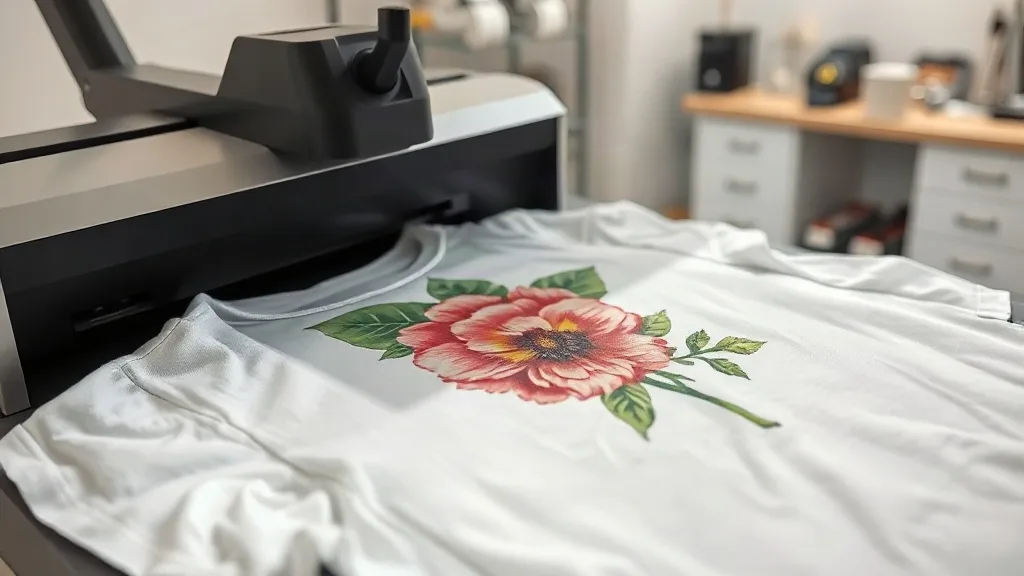
If you've been exploring custom apparel printing, you've likely come across dtf transfers. This innovative method is quickly becoming a favorite among hobbyists and professionals alike for its ability to produce bright, detailed designs on a wide range of fabrics. But what exactly makes DTF stand out, and how can you get started? In this guide, we'll walk you through the essentials of DTF printing, from the basic principles to practical application, so you can achieve professional-looking results right from your home studio.
What Are DTF Transfers?
DTF, which stands for Direct-to-Film, is a printing technique where your design is printed onto a special film, coated with a adhesive powder, and then heat-pressed onto fabric. Unlike DTG (Direct-to-Garment) printing, which requires specially pretreated garments, DTF transfers can be applied to almost any fabric, including cotton, polyester, blends, and even some synthetic materials. This versatility makes dtf a go-to solution for small businesses, crafters, and anyone looking to add custom graphics to apparel and accessories.
The DTF Printing Process
The process begins with your digital design. Using a DTF printer, the design is printed onto a PET film using special DTF inks. While the ink is still wet, a layer of hot-melt adhesive powder is applied and then melted into the ink using a heat source. This creates a transfer that can be stored and later applied to fabric with a heat press. The result is a soft, stretchable print that bonds permanently to the fabric, resisting cracking and fading even after multiple washes.
Why Choose DTF Transfers?
There are several reasons why DTF has gained such a strong following. First, the color vibrancy is exceptional. DTF prints can reproduce intricate details and gradients with stunning accuracy, making them ideal for photorealistic images and complex logos. Second, because no pre-treatment is required, DTF saves time and reduces supply costs. Third, DTF transfers work on dark and light fabrics equally well, without the need for separate white ink underbases. Finally, DTF transfers are durable; when applied correctly, they can withstand repeated washing without significant wear.
Applications of DTF Transfers
DTF transfers are incredibly versatile. They're commonly used for custom t-shirts, hoodies, tote bags, and even hats. Because the transfers are thin and flexible, they conform to the fabric's movement, making them comfortable to wear. Beyond apparel, DTF can be used on canvas shoes, pillowcases, and other fabric items. If you're looking for dtf transfers near me, you'll find that many local print shops now offer DTF services, or you can invest in a DTF printer and create your own transfers at home.
Getting Started with DTF Printing
To begin your DTF journey, you'll need a few key pieces of equipment: a DTF printer, DTF ink, PET film, adhesive powder, and a heat press. While the initial investment might seem steep, the long-term savings on pre-treated garments and the ability to produce high-quality prints on demand make it worthwhile for many. Start by sourcing reliable supplies from reputable vendors. Practice printing and pressing on scrap fabric to fine-tune your settings. Temperature, pressure, and timing are critical for a successful transfer, so don't rush the learning curve.
Step-by-Step Application
- Prepare your design: Ensure your image is high resolution and mirrored if necessary (for text).
- Print the transfer: Use your DTF printer to print onto the film. Allow the ink to dry slightly.
- Apply adhesive powder: While the ink is still wet, sprinkle the powder evenly over the design. Shake off excess.
- Melt the powder: Use a heat gun or oven to melt the powder until it looks glossy.
- Heat press: Set your heat press to the recommended temperature (usually around 150-160°C). Place the transfer on the fabric, cover with a protective sheet, and press for 10-15 seconds.
- Peel: Wait for the transfer to cool completely before peeling off the film. This ensures the design adheres properly.
Tips for Perfect DTF Transfers
- Use quality supplies: Cheap film or ink can lead to poor adhesion and dull colors. Invest in reputable brands.
- Control moisture: Humidity can affect the powder application. Store supplies in a dry place.
- Test your heat press: Every press behaves differently. Use a temperature gun to verify the platen temperature.
- Press twice for durability: A second press after peeling can enhance wash resistance.
- Wash inside out: To prolong the life of your DTF prints, wash garments inside out in cold water and avoid harsh detergents.
Common Mistakes to Avoid
Even experienced crafters can run into issues with DTF. One common mistake is peeling the film too soon; always let it cool completely. Another is using too much powder, which can create a stiff, plastic-like feel. Also, be mindful of the pressure; too little pressure results in poor adhesion, while too much can cause the design to spread. Finally, don't skip the test press. A small test on scrap fabric can save you from ruining a finished garment.
Frequently Asked Questions
Can I use DTF transfers on 100% polyester?
Yes, DTF transfers work well on polyester and polyester blends. In fact, DTF is often preferred for synthetic fabrics because it doesn't require the same pre-treatment as DTG. Just be sure to adjust your heat press settings to a lower temperature (around 140-150°C) to avoid scorching the fabric.
How long do DTF transfers last?
When applied correctly and cared for properly, DTF transfers can last for years. They are highly durable and resistant to cracking and fading. To maximize longevity, wash garments inside out in cold water and avoid ironing directly over the print.
Do I need a special printer for DTF?
Yes, DTF requires a printer that uses DTF ink and is designed to print on PET film. While some modified inkjet printers can be used, purpose-built DTF printers offer better reliability and print quality. If you're not ready to invest in a printer, you can order pre-printed transfers from a service.
What is the difference between DTF and DTG?
DTG (Direct-to-Garment) printing involves printing directly onto the fabric, which requires pre-treatment and is typically limited to cotton fabrics. DTF (Direct-to-Film) involves printing onto a film and then transferring to fabric, allowing for use on a wider range of materials without pre-treatment. DTF also tends to produce more vibrant colors on dark fabrics.
Can I stretch DTF prints?
Yes, DTF prints are flexible and can stretch with the fabric without cracking. This makes them ideal for athletic wear and garments that require movement. However, excessive stretching beyond the fabric's natural elasticity may cause the print to distort.
Whether you're a DIY enthusiast or a growing apparel business, DTF transfers offer a reliable and versatile way to bring your designs to life. With the right supplies and a bit of practice, you'll be creating professional-quality prints in no time.